When Vegas Shows You Its Real Face: The Last Showgirl and What We're Learning From You
When Vegas Shows You Its Real Face: The Last Showgirl and What We're Learning From You
We didn't think anyone would actually watch this.
Seriously. When Just Blane and I started Parallel Frequencies, we figured we'd be talking into the void about movies we love, shows that make us think, and the occasional panic attack triggered by mind-bending films like Coherence. But here's the thing: you showed up. You commented. You called us out when we forgot to label our shorts (seriously, thank you for that). And now? We're reading your thoughts on air every Friday.
Welcome to Freqy Friday.
Why Your Comments Changed Everything
Let's be real: content creation feels like shouting into a canyon sometimes. You put your thoughts out there, hit publish, and hope someone—anyone—connects with what you're saying. But when Patrick J.J. 5 NH told us Coherence gave him a genuine panic attack (even without being high), we knew we'd found our people.
That's what this community has become. It's not just us talking at you about movies. It's a conversation. You're telling us what resonates, what misses the mark, and yeah, sometimes you're reminding us to put the damn movie title in the short clips. We hear you. We're fixing it.
This is also why we brought director James Ward Burkett onto the show—not for a press run, but for an actual conversation about his work on Coherence. The response? "Very wholesome." And honestly, that's the vibe we're going for here.
The Showgirl, The City, and The Performance That Demands Your Attention
Speaking of conversations worth having: The Last Showgirl.
If you haven't seen it yet, here's what you need to know. Pamela Anderson delivers what might be the performance of her career as Shelley, a Las Vegas showgirl whose decades-long run is ending. Not because she wants it to. Because the show's closing. Because Vegas doesn't care about legacy. Because reinvention at 50-something isn't the fantasy montage Hollywood usually sells us.
It's messy. It's uncomfortable. It's real.
What Makes This Film Different
Director Gia Coppola (yes, that Coppola family—Francis Ford is her grandfather, Jason Schwartzman and Nicolas Cage are cousins) strips away the glitz we associate with Vegas. You won't see neon-soaked nights or high-roller glamour. Instead, you get:
- Daytime Vegas in all its dusty, unglamorous reality
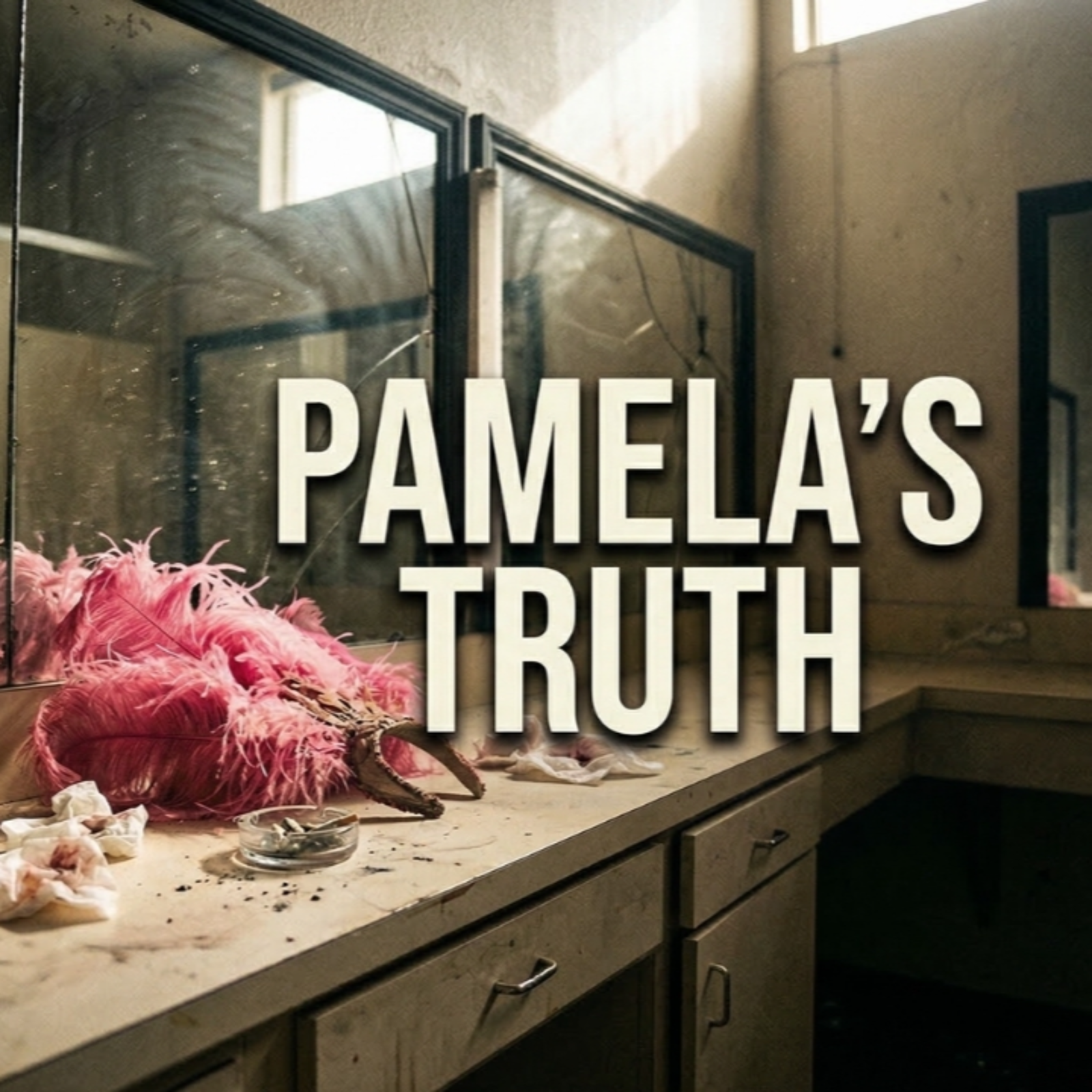
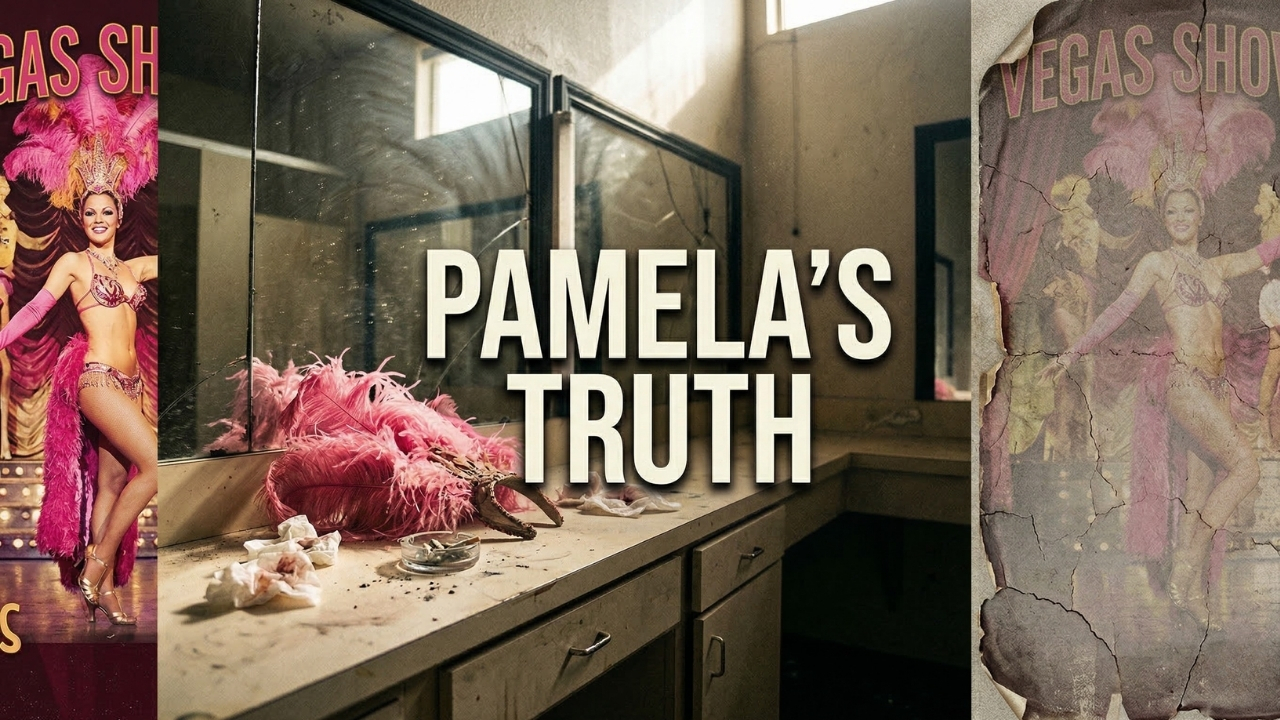
- Dressing rooms frozen in time, showing the wear behind the spectacle
- Empty casino floors at 4 AM when the mask comes off
- The trapped feeling of performers who can't imagine leaving
Vegas isn't just the setting here. It's a character. And it's not friendly.
Pamela Anderson Isn't Playing a Character—She's Excavating One
Here's where Anderson separates this from anything else in her filmography. There's no attempt to be sexy or play to expectation. Shelley is weathered. She's tired. She's someone who gave everything to an industry that's already forgotten her name.
The vulnerability is almost painful to watch. When she's standing in that empty theater, realizing her run is over, you're not seeing Pamela Anderson the celebrity. You're seeing Shelley. You're seeing every performer who's aged out of an industry obsessed with youth. You're seeing anyone who's ever had to figure out who they are when the thing that defined them disappears.
And if you've ever felt that—felt yourself in a transitional moment where you're not who you were but not yet who you'll become—this performance will gut you.
The Supporting Cast Brings The Weight
Jamie Lee Curtis shows up as Shelley's best friend Annette, delivering the grounded, no-BS energy that makes you believe these two have been through decades together. Billie Lourd plays Bailey, the younger dancer whose presence is both inspiration and threat. Dave Bautista plays Eddie, the stage manager who says he'll never leave that theater. That line alone—"I'm never leaving"—carries more sadness than most films manage in two hours.
These aren't caricatures. They're people stuck in the margins of a city built on disposability.
Why This Film Won't Work For Everyone (And Why That's Okay)
Let's set expectations: The Last Showgirl is slow. It's quiet. There's no tidy resolution. If you're looking for fast-paced drama, look elsewhere.
But if you want something that sits with you? If you want a film that makes you think about your own choices, your own moments of reinvention, your own relationship with aging and relevance? This is it.
It's the kind of movie that doesn't make you feel happy. But not every movie should. Some should make you feel something—even if that something is uncomfortable recognition.
Behind The Scenes: How We Make This Show (And Why It Matters)
Since we're pulling back the curtain on community feedback, let's talk production.
We record everything using Riverside, which gives us studio-quality audio and video even when we're recording remotely. It's a game-changer for podcast production, especially when you're trying to create content that doesn't sound like it was recorded in a tin can.
Once we've got the episode recorded, we use Opus Pro to turn long-form conversations into short-form clips for social media. Remember when someone told us to include the movie title in our shorts? Opus Pro makes that process fast enough that we can actually implement feedback quickly.
And our website? That's built with Podpage, which automatically updates with new episodes, transcripts, and all the extras that make a podcast more than just an audio file floating in the void.
These tools matter because they let us focus on the conversation instead of getting bogged down in technical complexity. And when you comment, when you engage, when you tell us what's working and what's not—we can actually respond.
What We're Learning From The Freqs
Here's what your feedback is teaching us:
You want context. When we post a clip, you want to know what we're discussing. Fair. Fixed.
You want guests who show up for real conversations. The James Ward Burkett interview resonated because it wasn't a promotional tour. It was two people geeking out about a film. More of that coming.
You're not here for surface-level takes. Someone told us to stop trying to have "higher philosophical thoughts" because we're "not very good at it." Noted. But here's the thing: we're not pretending to be philosophers. We're just two people who love movies and want to talk about what they mean. Sometimes that's eloquent. Sometimes it's messy. That's the show.
You appreciate authenticity. Even when it ruffles feathers. Even when we talk about Costco's maple syrup for two minutes before getting to The Black Phone. Even when we admit we didn't think anyone would watch this.
Your Turn: Tell Us Your Showgirl Story
Here's what I want to know: where have you seen yourself in Shelley's story?
Maybe you're not a Vegas performer. Maybe you've never worn a 20-pound feather headdress (though if you have, please tell us about it in the comments). But have you been at that crossroads? That moment where the thing you've built your identity around is ending, and you're staring down the terrifying, exhilarating question: Now what?
Drop it in the comments. We're reading. We're listening. And every Friday, we're pulling your thoughts into the conversation.
Ready To Ride The Wave With Us?
If you're not already subscribed to Parallel Frequencies, now's the time. We're doing Feature Fridays (movie deep dives), Freqy Fridays (community engagement), and interviews with creators who actually want to talk about their work.
Subscribe wherever you listen to podcasts. We're on all the major platforms, making it easy to catch new episodes the moment they drop.
Visit Ride The Wave Media for exclusive content, behind-the-scenes access, and the full archive of everything we've created.
And most importantly: keep commenting. Keep telling us what you think. Keep showing us we're not shouting into the void.
Because honestly? We still can't believe you're here. But we're damn grateful you are.
See you on the other side, freqs.
—Just Blane & Coco Parallel Frequencies
Ready to dive deeper?
Subscribe to catch our daily deep dives and community Fridays.
30 Rock: The Smartest Show You're Still Discovering Jokes In