The Green Knight Explained: A24 Arthurian Mythology Breakdown
The Green Knight: A24's Haunted Library Cinema Masterpiece
Some films slip through the cracks. A24's The Green Knight (2021) was one of those for Just Blane and Coco — until now. And what a discovery it turned out to be.
In the latest Parallel Frequencies episode, the hosts dissect this visually arresting Arthurian legend adaptation, exploring everything from Celtic mythology to corporate censorship. Recorded live at Land of a Thousand Hills coffee shop, this Feature Friday deep dive proves why The Green Knight deserves a second look — or a first, if you're one of the many who missed it.
Why The Green Knight Is Different From Every Other King Arthur Movie
Forget sanitized medieval fantasies. Director David Lowery's The Green Knight feels like it was pulled from a moss-covered manuscript that never made it to Sunday school.
"Who greenlit this movie?" Just Blane asks. "More importantly, who understood it on the first read?"
The film follows Sir Gawain (Dev Patel) on a quest that's equal parts spiritual test and fever dream. It's not about glory or heroism in the traditional sense. It's about worthiness — a concept Coco, a member of the Sisterhood of Avalon, knows intimately from Arthurian lore.
"Sovereignty goddesses test heroes to the point where they may not survive," she explains. "But if you do survive, you become worthy of kingship. And if you fail at any point, that power can be stripped away."
Sound familiar? In a political climate where leadership often feels unearned, the mythology hits differently.
Celtic Mythology Decoded: Mabinogi and the Sovereignty Goddess
Coco brings serious Arthurian credentials to the conversation. She's studied the Mabinogi — Welsh mythology that predates and informs much of the King Arthur canon — and recognizes the archetypal patterns woven throughout The Green Knight.
Key mythological elements include:
- The Sovereignty Goddess: Gawain's mother (likely Morgan Le Fay or Margause) orchestrates the Green Knight's challenge. Why would she endanger her son? Because true kingship requires testing — even mortal testing.
- Holly King vs. Oak King: The Green Knight arrives holding a holly branch during Yuletide. In pagan mythology, the Holly King and Oak King battle for dominance over the light and dark halves of the year. This seasonal symbolism frames Gawain's journey.
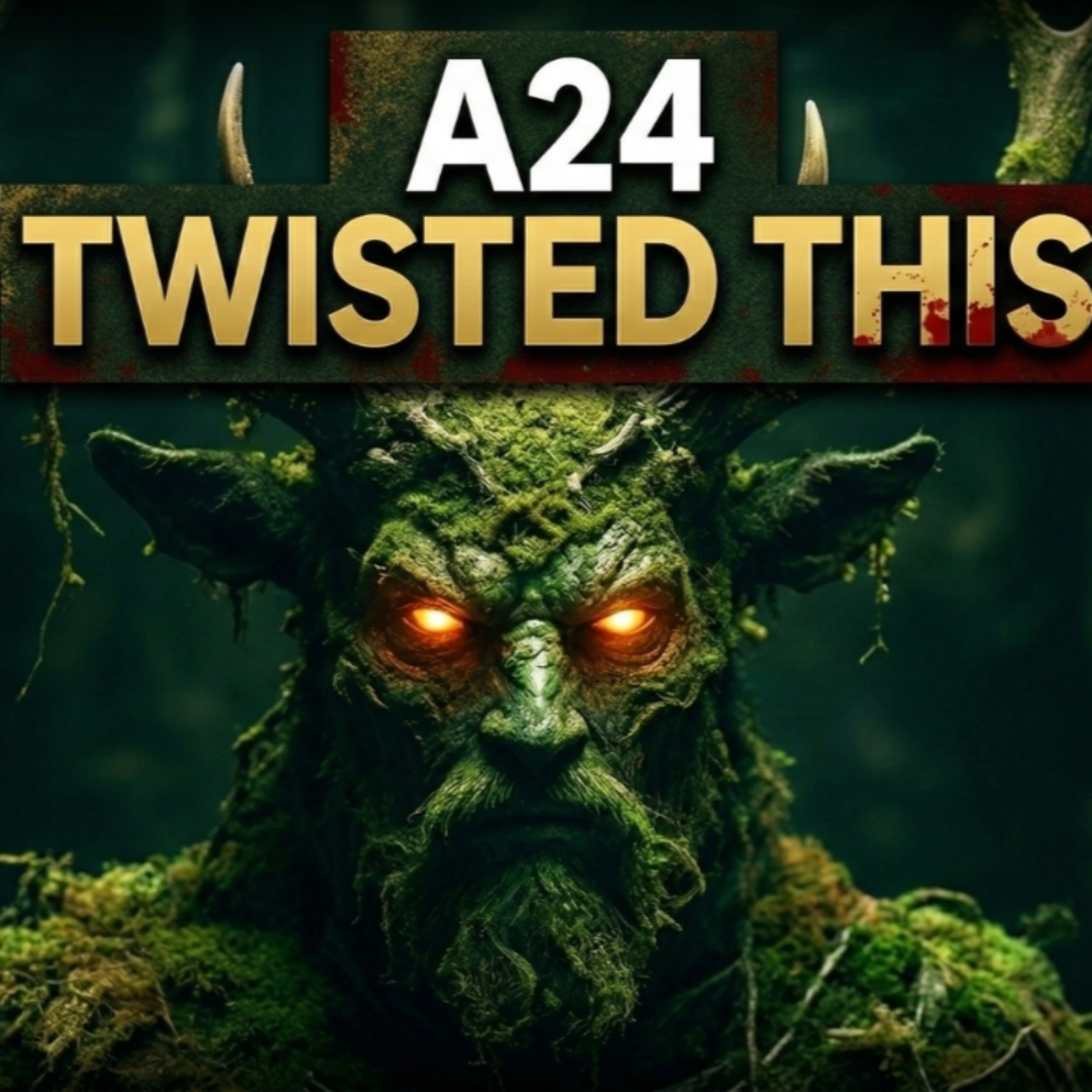
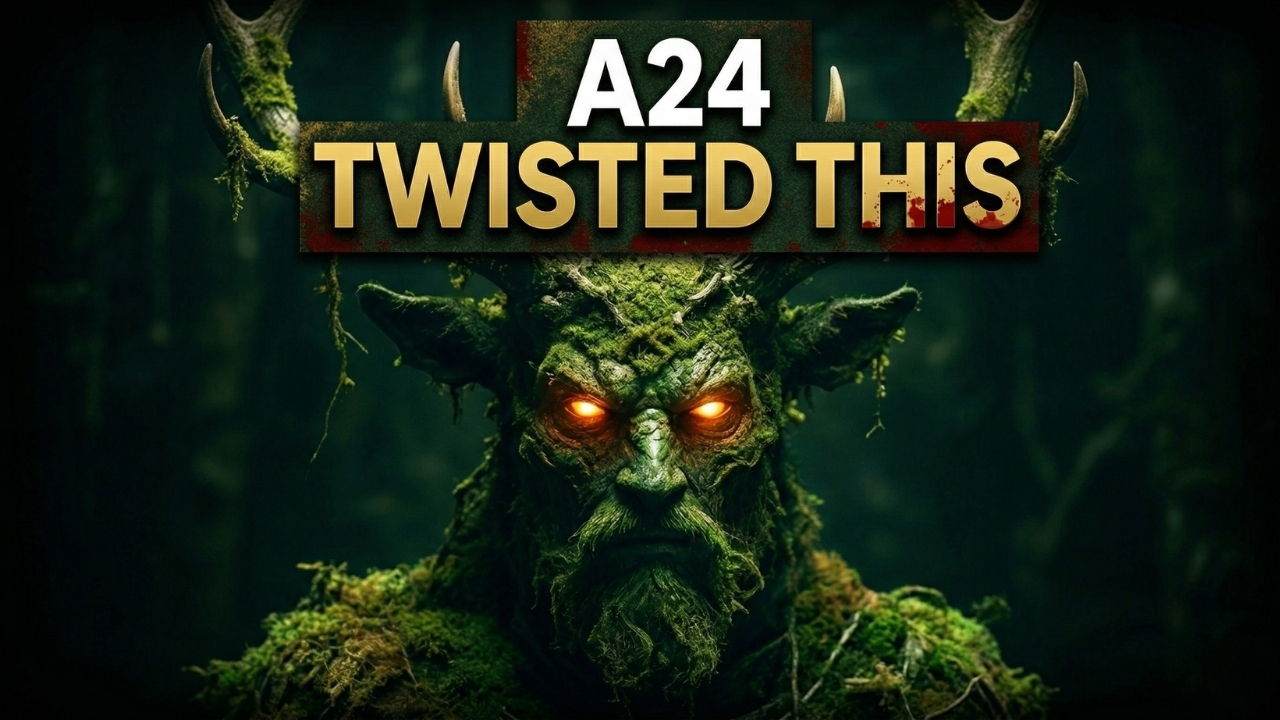
- The Green Man: The Green Knight himself embodies this ancient pagan archetype — a figure representing nature's cycles, death, and rebirth.
- The Fox: Symbolizes adaptability. "This isn't what you thought it was going to be — switch, be flexible," Coco notes. The fox becomes Gawain's companion and moral compass.
Pagan Magic Meets Christian Devotion
One of the film's richest tensions? The clash between belief systems.
Gawain receives a shield emblazoned with the Virgin Mary and Jesus — Christian protection. But his mother also gives him a green sash inscribed with runes — pagan magic. Both are meant to save him. Both represent faith. Neither guarantees success.
"I loved the play between pagan beliefs and Christianity," Coco says. "They're both seeking the same thing: protection, worthiness, meaning."
It's this refusal to choose sides that makes The Green Knight feel authentic to actual medieval life, where Christianity and older traditions coexisted messily.
That Giant Scene (And Why You'll Rewatch It Twice)
If you've seen the film, you know the scene. If you haven't — no spoilers, but prepare for goosebumps.
"I ran that scene back and watched it twice," Just Blane admits. "You can watch the entire movie just for that one scene."
Coco's reaction? "I've had visions of that during ketamine treatments."
The giant sequence — along with the underwater skull retrieval — leans into psychedelic visuals that feel more like astral projection than traditional fantasy. It's A24's brand of experimental cinema at its finest: beautiful, disorienting, unforgettable.
Physical Media, Disney Censorship, and Daryl Hannah's Dignity
Before diving into The Green Knight, the hosts addressed community feedback — and one topic exploded: physical media preservation.
Just Blane's rant resonated with listeners: "If you own no physical media, you own nothing."
The conversation was sparked by Disney's digital alteration of Splash on Disney+. The company extended Daryl Hannah's hair to cover her backside — erasing an iconic scene from the original film.
"That is an absolute crime against humanity," Just Blane declares.
Why does this matter? Because when you "buy" digital content, you don't own it. Corporations can:
- Remove content you paid for
- Alter scenes retroactively
- Strip music due to expired licensing
- Gaslight consumers into thinking "buying isn't owning"
One listener comment summed it up: "I keep my physical media because they can't just reach in and remove something I've paid for."
The Mandela Effect is real — but so is corporate revisionism.
Golden Girls, Comfort Shows, and Pandemic Survival
The episode also touched on lighter territory: comfort shows.
One listener shared that rewatching The Golden Girls was the first thing they did during the pandemic. Coco revealed she watched it while hospitalized, pregnant with twins.
"I'm pretty sure my twins still react to the theme song because they heard it so much in the womb," she jokes.
Comfort media isn't trivial. It's survival. During uncertainty and trauma, familiar stories become emotional anchors. That's not nostalgia — it's self-preservation.
The Ending: Genius or Two Hours You'll Never Get Back?
Fair warning: The Green Knight's ending divides audiences.
"You're either gonna say, 'Oh my god, this is genius,' or you're gonna say, 'I want my two hours back,'" Just Blane predicts.
Some criticism centered on pacing. "It was slow," some viewers complained. "A lot of lag."
But Coco argues it's worth it. "Visually, it's stunning. Stunning."
The film isn't plot-driven in a traditional sense. It's observational. You're not watching Gawain get judged by others — you're judging him yourself. And maybe, in the process, judging your own worthiness.
Why This Episode Matters for Content Creators
Beyond the mythology and film analysis, this Parallel Frequencies episode offers lessons for anyone creating content in 2026:
- Community engagement wins: Just Blane and Coco read listener comments, fact-check with their audience, and create dialogue — not monologue.
- Depth over breadth: Coco's Arthurian expertise elevates the conversation beyond surface-level reactions.
- Production tools matter: Recorded using Riverside for high-quality audio/video, edited for social clips via Opus Pro, and hosted on their Podpage site for discoverability.
- Evergreen + trending: The Green Knight is a 2021 film, but the themes — mythology, censorship, comfort media — remain timeless and searchable.
Final Thoughts: Watch The Green Knight, Then Join the Conversation
If you're an Arthurian legend nerd, an A24 completist, or just someone who loves films that take risks, The Green Knight deserves your attention.
And if you've already seen it? Listen to this episode. Coco's breakdown of sovereignty goddess archetypes and seasonal symbolism will make you want to rewatch immediately.
As Just Blane puts it: "Go check this movie out if you haven't seen it. If you're idiots like us and it slipped by you for this long, then go watch it."
Ready to ride the wave? Subscribe to Parallel Frequencies on YouTube, follow on Instagram, and visit ridethewave.media for more episodes.
Because whether you're team "genius ending" or team "give me my two hours back," the conversation is worth having.
30 Rock: The Smartest Show You're Still Discovering Jokes In