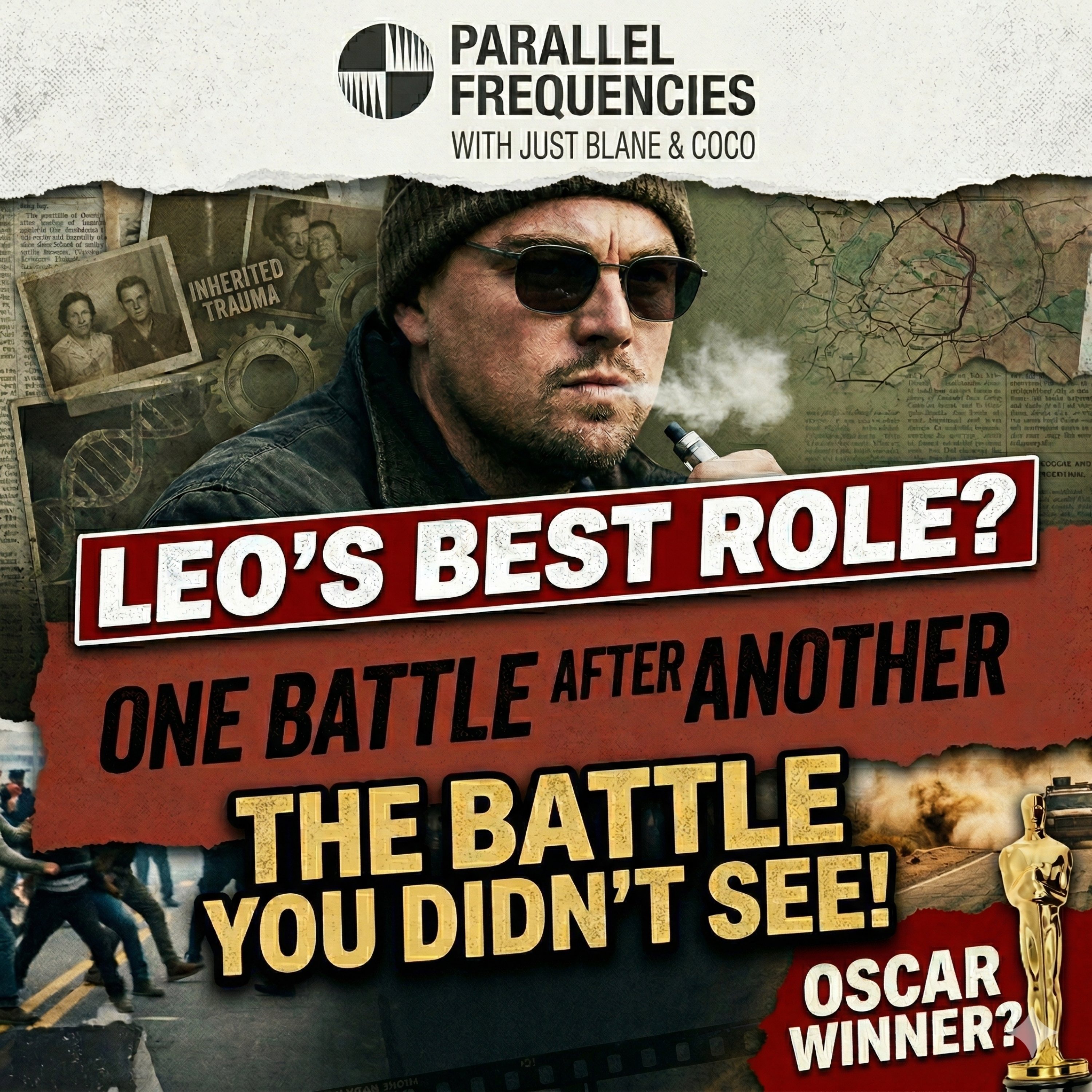
One Battle After Another Review: Oscar Winner Breakdown
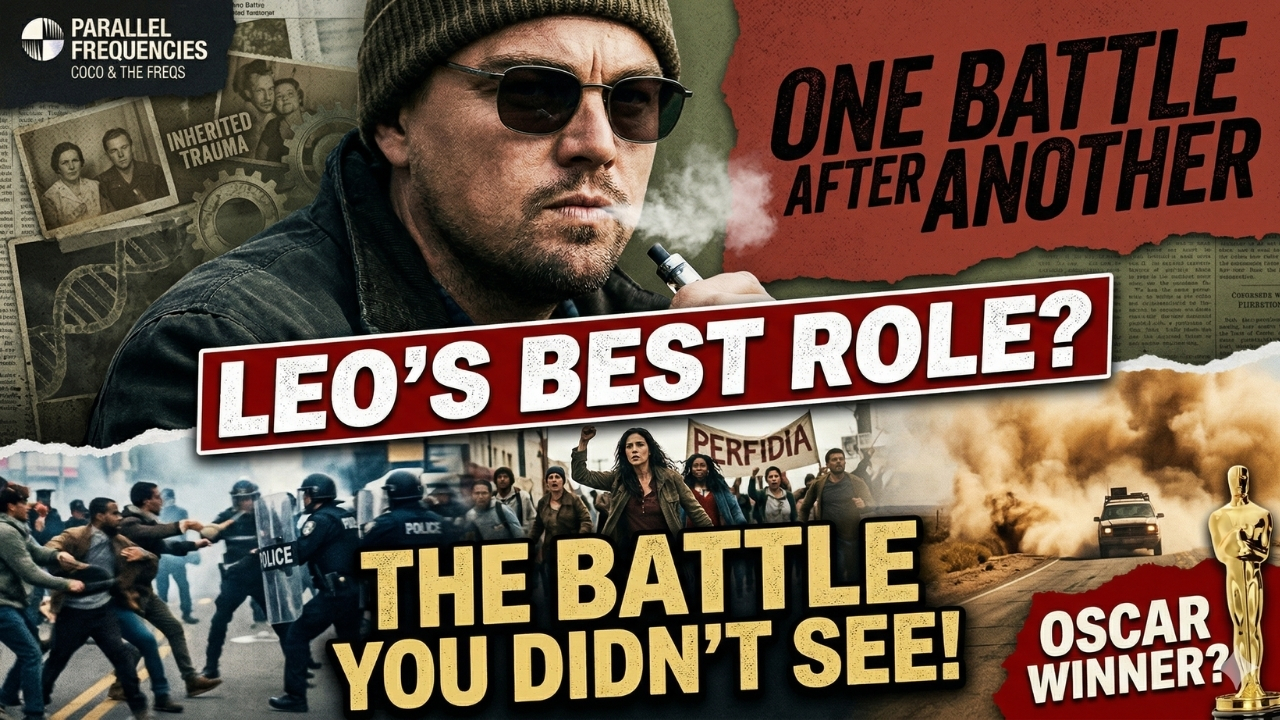
When a "Western" Becomes a Moral Reckoning: Our One Battle After Another Breakdown
We walked into One Battle After Another expecting gunfights, standoffs, and maybe a few tumbleweeds. What we got instead was a philosophical gut-punch wrapped in dark comedy, delivered by some of the most talented actors working today. Leonardo DiCaprio, Sean Penn, Benicio del Toro, and a powerhouse ensemble led by director Paul Thomas Anderson didn't just make a movie—they made a statement. And it won the Oscar for Best Picture in 2026.
But the question we're left wrestling with isn't what happened in the film. It's why this story matters—and whether we, as individuals living in the shadow of history, are responsible for the sins of those who came before us.
The Boss Battle Metaphor: When Victory Just Respawns the Fight
One of the most striking elements of One Battle After Another is its structure. As Blane described it on this week's episode of Parallel Frequencies, the film operates like a video game boss level where the enemy keeps respawning. You think you've won. You catch your breath for two seconds. Then the next battle loads in—better graphics, worse consequences.
This cyclical structure mirrors the film's thematic core: systems of oppression, personal responsibility, and the exhausting reality that progress doesn't mean resolution. Each victory feels hollow because the war isn't over. The question becomes: How long can you fight before you break? And more importantly, should you have to fight battles your ancestors started?
The Central Question: Are We Responsible for What Our Parents Did?
This is where One Battle After Another shifts from being a good movie to being a necessary one. The film doesn't just ask, "Are you responsible for your ancestors' actions?" It forces you to sit with the discomfort of that question.
Coco raised a critical point in our discussion: Where do you begin the work of decolonization within yourself? How do you identify the ways patriarchy, capitalism, or systemic bias has shaped your worldview—and then actively dismantle those patterns? The daughter character in the film grapples with this exact tension. Her parents were radicals. They did things most of us would find morally indefensible. Yet she's left to navigate her own identity in the aftermath of their choices.
The debate breaks into two camps:
- No, I'm not responsible. My ancestors' mistakes are not mine to carry. I didn't choose to be born into this legacy, and I refuse to be punished for it.
- No, but I will do the work. I'm not responsible for the harm they caused, but I am responsible for breaking the cycle. I want my descendants to inherit something better.
Where do you land? That's the conversation this film demands we have—not just about cinema, but about our lives.
Dark Comedy as a Vehicle for Hard Truths
Paul Thomas Anderson is no stranger to blending tone in unexpected ways, but One Battle After Another walks a tightrope between tragedy and dark humor that some viewers found disorienting. The film was marketed as a comedy, and while there are genuinely funny moments, calling it a "comedy" feels reductive.
Dark comedy works best when it highlights the absurdity of pain without trivializing it. This film does that—mostly. There were moments where we laughed, not because something was funny, but because the alternative was to sit in the crushing weight of what we were watching. That's intentional. That's the point.
But not everyone agreed the tonal balance worked. Critics like Cody Higginbotham noted that while One Battle After Another is a strong film, it may not be Paul Thomas Anderson's best work—or Leo's, for that matter. And that raises an interesting question: If this wasn't their best and it still won the Oscar, what does that say about the competition? Or about what the Academy values in a given year?
Did It Deserve the Oscar?
Here's where we land: Yes. On paper alone, One Battle After Another is a knockout. Paul Thomas Anderson directing. Leonardo DiCaprio, Sean Penn, Benicio del Toro, Regina Hall. A script that's ambitious, layered, and unafraid to make audiences uncomfortable. It's the kind of film that lingers long after the credits roll.
But we also acknowledge that the Oscars aren't purely meritocratic. There's politics involved. There's timing. There's the question of what story the Academy wants to tell in any given year. And in 2026, they told us that intergenerational reckoning matters. That dark comedy can carry heavy truths. That a "Western that isn't a Western" deserves recognition.
Whether One Battle After Another is Anderson's magnum opus or just another excellent entry in his filmography is up for debate. But it's undeniably a film that will define this award season—and the conversations we're having about legacy, responsibility, and change.
Why We Break Down Movies This Way
If you've watched Parallel Frequencies before, you know we don't do traditional plot summaries. We assume you've either seen the film or you're here because you want the philosophical deep dive without committing two hours to watching it yourself. (And if that's you—we're your people.)
We recorded this episode live at Land of a Thousand Hills Coffee in Salt Lake, using Riverside to capture pristine audio quality. Our editing and clipping workflow runs through Opus Pro, and we host everything on Podpage. Why does that matter? Because we're committed to creating content that sounds as good as it feels—and we want you to know the tools that help us do it.
Join the Debate
So, Freqs—where do you land? Are you responsible for what your parents did? Your grandparents? Your great-grandparents? Or do you draw a line and say, "I'll do the work to be better, but I'm not carrying guilt that isn't mine"?
One Battle After Another doesn't give you easy answers. It gives you a mirror. And what you do with your reflection is up to you.
Subscribe to Parallel Frequencies Daily and join the conversation. We're breaking down more award-winning films all month long—and we'd love to hear your take.
📺 Subscribe on YouTube
🌊 Visit Ride the Wave Media
📷 Follow Just Blane on Instagram
📷 Follow Ride the Wave Media on Instagram
Final Word:
Movies like One Battle After Another remind us why art matters. It's not just entertainment. It's a catalyst for the conversations we need to have but often avoid. So grab your coffee, settle in, and let's keep talking.

The Green Knight Explained: A24 Arthurian Mythology Breakdown