

May 27, 2026
The TV Dads Who Shaped How We Think About Fatherhood (Uncle Phil, Cliff Huxtable & More)

Long before "emotionally available" was a phrase people said out loud, Gomez Addams was already doing it in a gothic suit. And before any of us had language for surrogate fatherhood, Uncle Phil Banks was catching a broken kid in a Bel-Air mansion and making every person watching feel it in their chest.
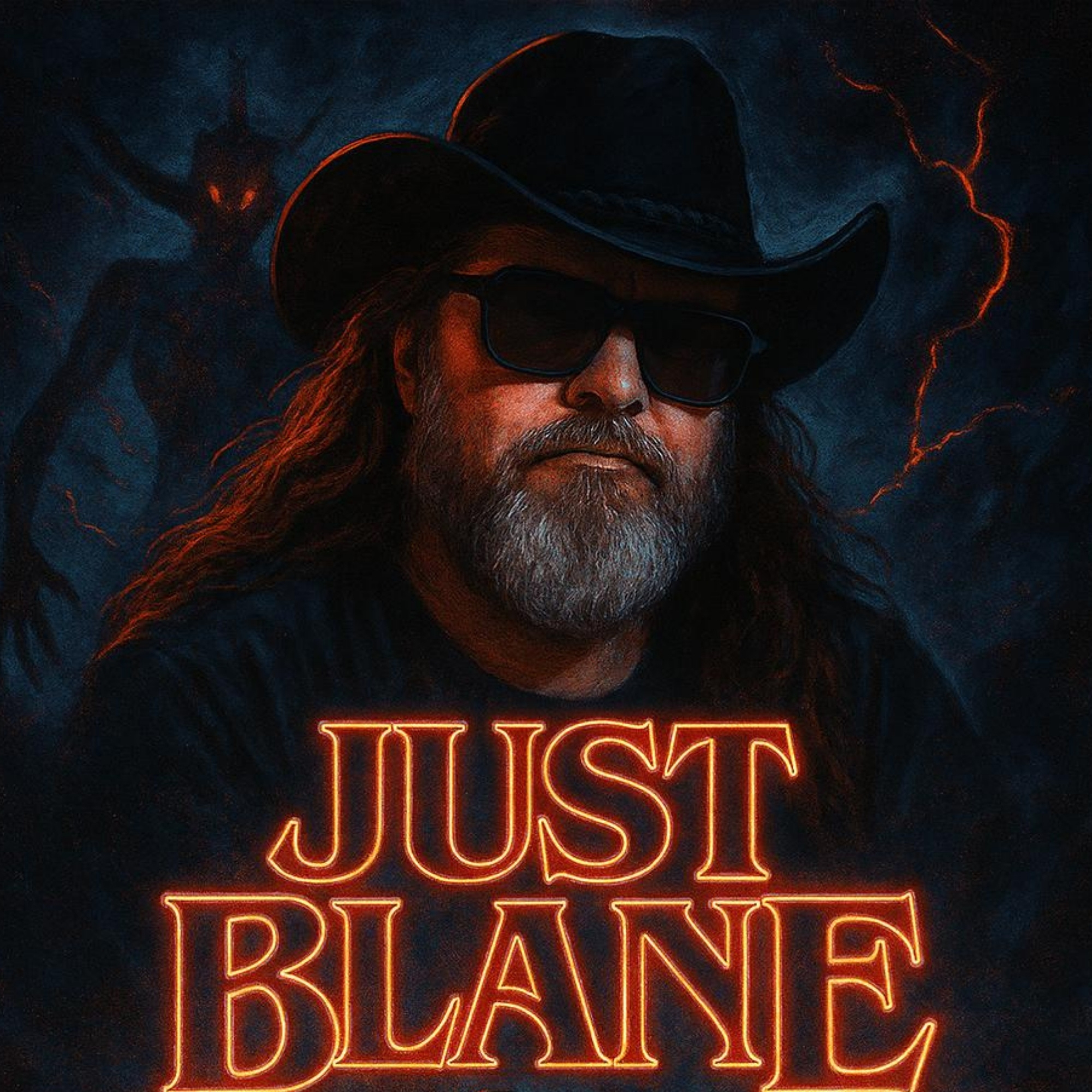
On Episode 109 of Parallel Frequencies, Just Blane and Coco take on the TV dads who weren't just characters — they were the blueprints. Some of us had great dads at home. Some of us didn't. And some of us had a television set that quietly filled in the blanks.
This episode moves through Cliff Huxtable's complicated but undeniable legacy, Mike Brady as the first stepdad treated with real dignity on network TV, Red Foreman's gruff emotional unavailability as an accidental time capsule, and what Al Bundy actually represents beyond the punchline — a man who felt trapped, stayed anyway, and never once dealt with it. That's not funny. That's a lot of households.
They also make the case for Carl Winslow as one of the most honest portrayals of working-class fatherhood ever put on screen, and close with the scene — you know the one — that made Uncle Phil the emotional center of an entire generation's idea of what it means for a man to show up.
Which TV dad shaped how you think about fatherhood? Subscribe to Parallel Frequencies and come find out.
🌊 https://www.ridethewave.media 📺 @parallelfrequenciesdaily" target="_blank">https://YouTube.com/@parallelfrequenciesdaily
On Episode 109 of Parallel Frequencies, Just Blane and Coco take on the TV dads who weren't just characters — they were the blueprints. Some of us had great dads at home. Some of us didn't. And some of us had a television set that quietly filled in the blanks.
This episode moves through Cliff Huxtable's complicated but undeniable legacy, Mike Brady as the first stepdad treated with real dignity on network TV, Red Foreman's gruff emotional unavailability as an accidental time capsule, and what Al Bundy actually represents beyond the punchline — a man who felt trapped, stayed anyway, and never once dealt with it. That's not funny. That's a lot of households.
They also make the case for Carl Winslow as one of the most honest portrayals of working-class fatherhood ever put on screen, and close with the scene — you know the one — that made Uncle Phil the emotional center of an entire generation's idea of what it means for a man to show up.
Which TV dad shaped how you think about fatherhood? Subscribe to Parallel Frequencies and come find out.
🌊 https://www.ridethewave.media 📺 @parallelfrequenciesdaily" target="_blank">https://YouTube.com/@parallelfrequenciesdaily