Why Stranger Things Works So Well: Nostalgia, D&D, and Real-Life Parallels
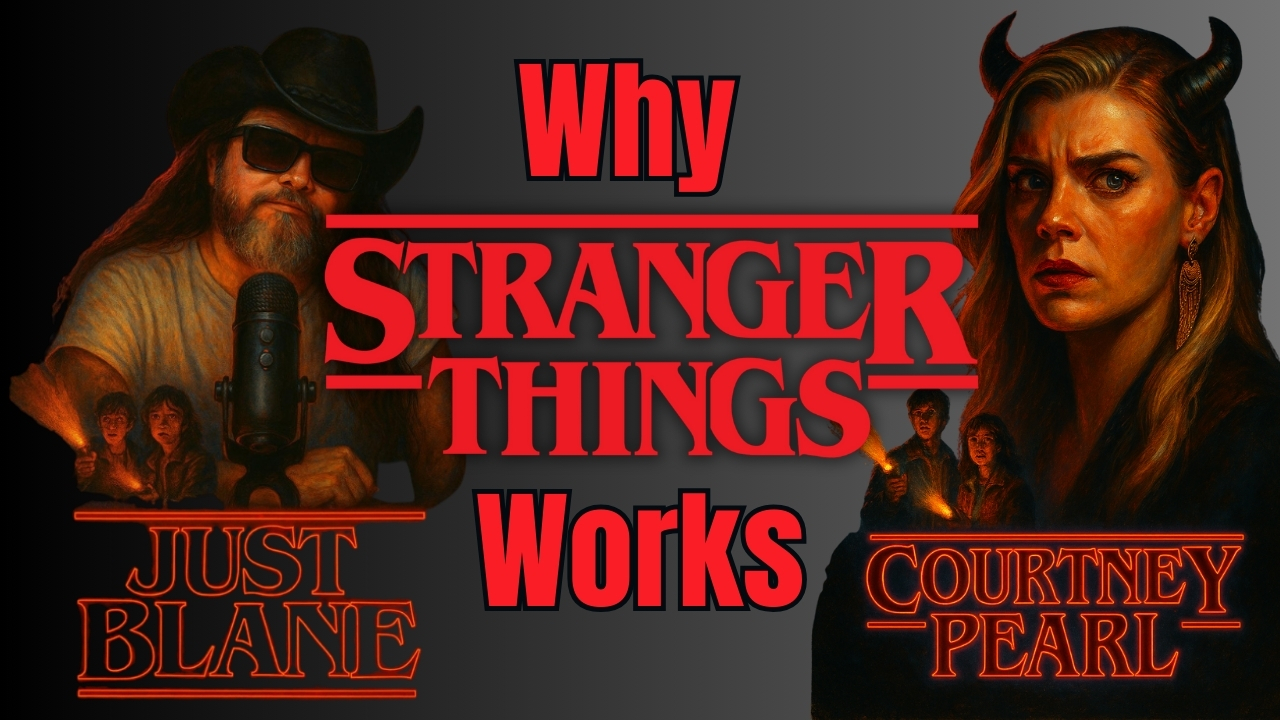
Why Stranger Things Works So Well: Nostalgia, D&D, and Real-Life Parallels
When Stranger Things first hit Netflix in 2016, it didn’t just become a show—it became a cultural phenomenon. But what makes this series resonate so deeply with audiences across generations? The answer lies in its perfect blend of nostalgia, storytelling, and relatable themes, all wrapped in a supernatural package.
The 80s Nostalgia Factor
From the very first frame, Stranger Things immerses us in the world of 1980s Americana. Think Starcourt Mall, Ghostbusters costumes, and synth-heavy soundtracks that feel ripped from a John Carpenter film. This isn’t nostalgia for nostalgia’s sake—it’s a storytelling tool. By grounding the narrative in a familiar era, the show makes its supernatural elements feel even more unsettling.
The 80s were a time of innocence mixed with Cold War paranoia, and Stranger Things taps into that perfectly. Government conspiracies, secret experiments, and the looming fear of the unknown mirror real historical anxieties, making the story feel authentic even when monsters are involved.
Dungeons & Dragons: The Blueprint
The show’s DNA is pure D&D. From the Demogorgon in Season 1 to Vecna in Season 4, the kids use their tabletop adventures as a framework to understand the chaos around them. This isn’t just a clever reference—it’s a metaphor for how imagination helps us process fear.
When Will disappears, the gang doesn’t talk about “alternate dimensions.” They call it the Vale of Shadows. That’s what kids do—they turn the incomprehensible into something they can fight. And honestly, don’t we all? We give names to our struggles, just like a Dungeon Master gives names to monsters.
The party dynamic also mirrors real life:
- Mike – The leader
- Lucas – The strategist
- Dustin – The wildcard
- Will – The missing player
- Eleven – The overpowered NPC who changes the game
It’s basically every campaign where the DM throws in a surprise character that flips the story.
The Real-Life Parallels
Beyond the monsters and neon lights, Stranger Things is about growing up. The Upside Down isn’t just a creepy alternate dimension—it’s a metaphor for the unknown challenges of adolescence, trauma, and change.
The Mind Flayer? It’s control, manipulation, and fear—things we all face in different forms. The government cover-ups echo real-world mistrust of authority, while the friendships remind us that even in the darkest times, connection is our greatest weapon.
Why It Works
Stranger Things succeeds because it blends genres without losing heart. It’s horror, sci-fi, coming-of-age, and family drama—all rolled into one campaign. Like any great D&D session, it’s not just about the quest—it’s about the party.
It reminds us that even when the world turns upside down, we’re stronger together. And that’s a message that never goes out of style.
Final Thoughts
Whether you’re here for the Demogorgons, the Kate Bush needle drops, or the nail-bat heroics, Stranger Things proves that great storytelling is timeless. It’s a show that speaks to our fears, our friendships, and our love for adventure—just like a legendary D&D campaign.
Best Men’s Mental Health Podcasts | Trailer Park Thursday