The Black Phone 1 & 2: Horror, Trauma, and the Birth of a Modern Icon
The Black Phone 1 & 2: Horror, Trauma, and the Birth of a Modern Icon
Some horror movies scare you.
Others linger.
The Black Phone and The Black Phone 2 do something rarer. They crawl into the psychological spaces between trauma and resilience, between faith and fear, between isolation and connection.
In this Feature Friday episode of Parallel Frequencies with Just Blane & Coco, we explore why this franchise feels different—and why Ethan Hawke’s “Grabber” may already be cemented in horror history.
Analog Horror Hits Different
Modern horror often leans on CGI spectacle. Demons contort. Shadows stretch. Loud sounds assault your nervous system.
The Black Phone chooses restraint.
A rotary phone.
A basement.
A boy alone.
The disconnected analog device becomes more terrifying than any digital monster because it feels real. Tangible. Reachable. It rings not as a jump scare but as possibility.
And that shift changes everything.
Ethan Hawke’s Grabber: Urban Legend Energy
The mask deserves its own study.
Layered. Modular. Emotional.
Each version reveals a different psychological tone. It is not just costume design. It’s character architecture.
The Grabber feels less like a slasher villain and more like something whispered about at sleepovers. The “older cousin swears it happened in his neighborhood” kind of evil.
That grounded realism amplifies the horror.
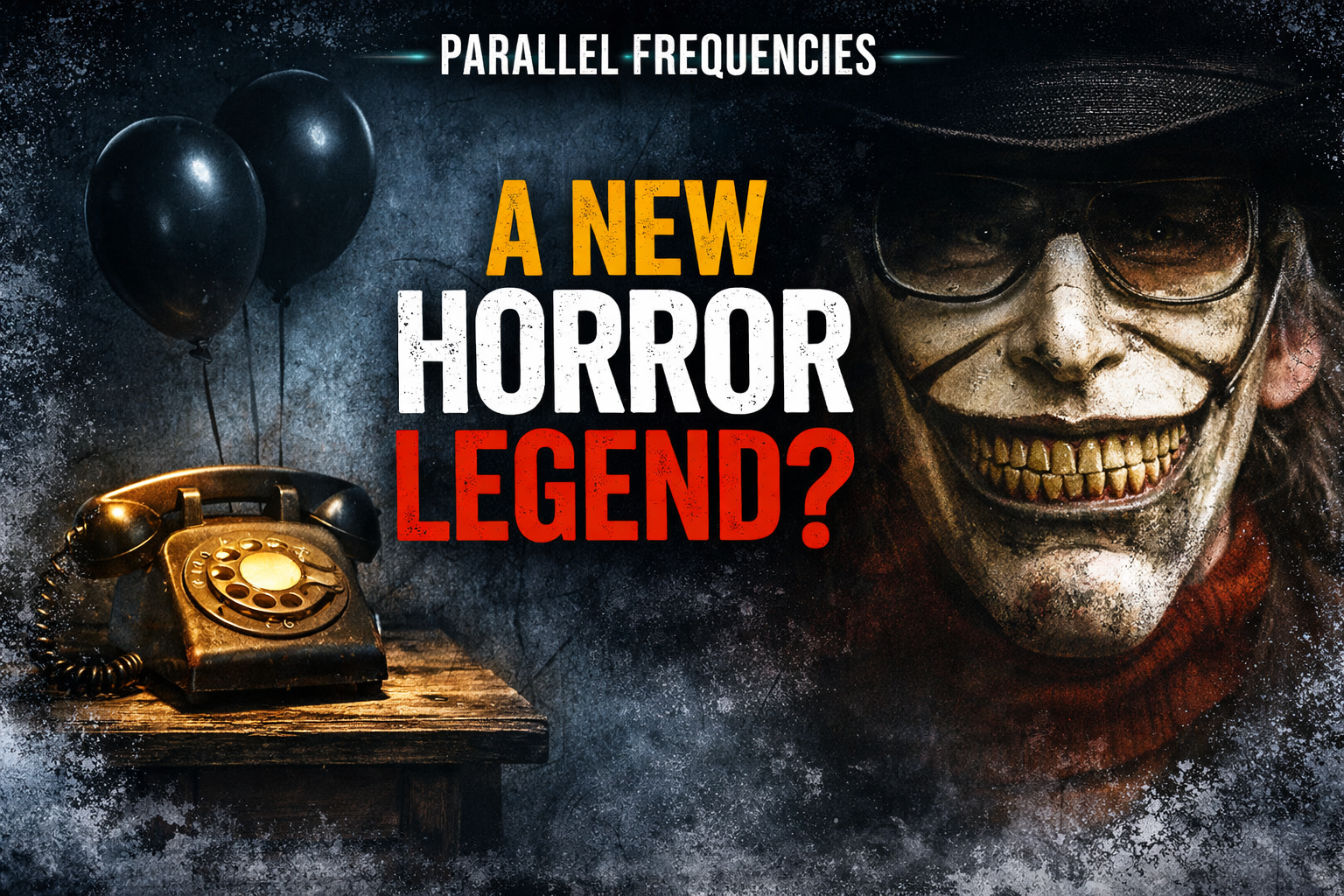
If horror icons are built on cultural imprint, then the black balloons and porcelain grin may already be iconic.
Trauma as the Real Monster
Strip away the supernatural and you’re left with something more disturbing:
A kidnapper.
Abuse at home.
Children navigating violence without protection.
The franchise does not rely on gore. It relies on psychological tension and emotional truth.
Finney’s trauma in the second film evolves into substance use patterns mirroring his father. Redemption arcs are explored not through spectacle but through choice.
Resilience becomes the true narrative engine.
Gwen: The Underrated Hero
Gwen’s psychic visions anchor the franchise.
Her dreams, premonitions, and intuitive strength create a parallel narrative of empowerment. The tension between religion and spirituality in the sequel adds even more complexity.
Is she possessed?
Or is she gifted?
The franchise explores that tension without oversimplifying it. Gwen stands as a symbol of intuition, belief, and courage under pressure.
Isolation and Escalation in The Black Phone 2
The snowed-in horror trope works because isolation magnifies vulnerability.
When escape is impossible, internal battles intensify.
The sequel expands mythology without collapsing under it. That is a rare achievement in horror franchises.
It deepens rather than dilutes.
Why This Franchise Matters
The Black Phone taps into childhood vulnerability in the same way It, Halloween, and A Nightmare on Elm Street did in their prime.
It weaponizes:
• Trust
• Innocence
• Authority
• Silence
And then counters it with:
• Community
• Spiritual resilience
• Growth
• Choice
That balance may be why it feels sustainable as a franchise.
Tools We Use to Build Conversations Like This
At Ride The Wave Media, we produce with:
🎙 Riverside for remote recording
https://riverside.sjv.io/7aAMay
✂ Opus Pro for vertical clips
https://www.opus.pro/pricing?via=5b5b73
🌊 Podpage for podcast websites
https://www.podpage.com/account/signup/?via=just
If you’re building a show of your own, these are powerful starting points.
Final Thoughts
The Black Phone is not just horror.
It’s about survival.
About connection.
About the unseen help that may exist in our darkest rooms.
If The Grabber continues to evolve, we may be witnessing the birth of a modern horror legend.
For more deep dives like this, subscribe and explore the full network:
Best Men’s Mental Health Podcasts | Trailer Park Thursday