Stranger Things Season 4 Changed TV—Here’s Why
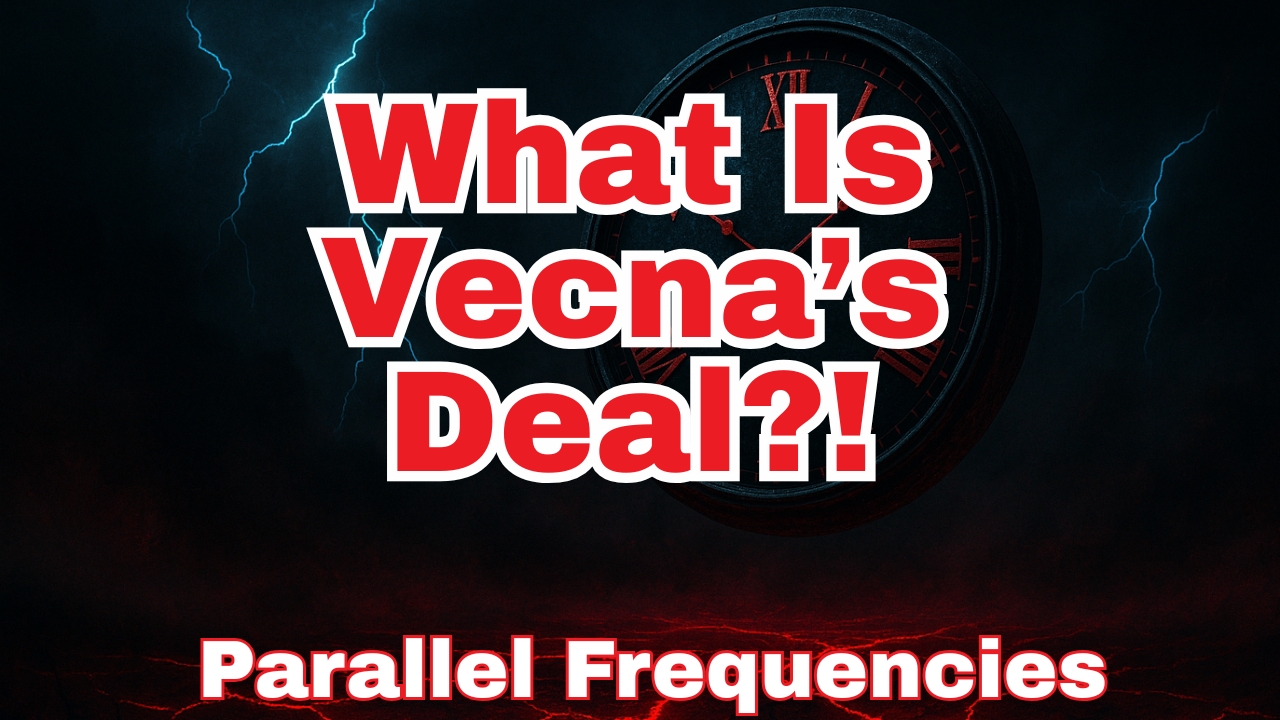
Stranger Things Season 4 Changed TV—Here’s Why (and What Comes Next)
Introduction
Stranger Things Season 4 isn’t just another entry in Netflix’s flagship series—it’s a cultural moment. In this episode of Parallel Frequencies with Just Blane and Coco, we dive into the season’s psychological horror, cinematic scale, and pop culture ripple effects. From Vecna’s chilling mind games and Eddie Munson’s “Master of Puppets” solo to Kate Bush’s “Running Up That Hill” revival, this season delivered spectacle and substance.
But the conversation doesn’t stop in Hawkins. We explore the satanic panic parallels, the emotional arcs of Eleven, Will, and Hopper, and even speculate on a wild (yet oddly plausible) Vecna–Pennywise crossover. And because it’s the holidays, we also tee up a nostalgic detour into Rudolph the Red-Nosed Reindeer, National Lampoon’s Christmas Vacation, and the unsung hero Yukon Cornelius. If pop culture deep dives are your thing, you’re in the right place.
The Big Bad We Were Waiting For: Why Vecna Works
Season 4 introduces Vecna as the series’ first truly psychological villain. Unlike the Demogorgon or the Mind Flayer, Vecna attacks through trauma—grief, guilt, and unresolved pain—turning internal struggles into literal life-or-death stakes. It’s a smart pivot: the horror feels more intimate, the tension more inescapable.
Performance & Craft:
- Jamie Campbell Bower reportedly wore extensive prosthetics (the team leaned on practical effects for most shots), delivering a voice and physical presence that feels genuinely otherworldly.
- The result is a villain that’s memorable not just for design but for what he represents—the way fear compounds over time and the emotional cost of surviving in Hawkins.
The Clock Motif:
The ominous grandfather clock—with its low, echoing chimes—becomes the season’s auditory warning label. Time here isn’t just a countdown; it’s a symbol of inevitability. Characters sense their doom long before it arrives, mirroring the existential dread found in classics like The Ring (seven days) and threading a deeper anxiety through every scene.
Keywords to keep in mind: Stranger Things Season 4, Vecna, Jamie Campbell Bower, psychological horror, Hawkins, grandfather clock, Mind Flayer, Demogorgon, trauma-driven storytelling.
Fan Theory Spotlight: Could Vecna and Pennywise Cross Paths?
Blane floats a compelling theory: Vecna and Pennywise share narrative DNA—and maybe, someday, a shared screen. Both feed on fear, both cycle through eras, and both haunt communities with an almost mythic regularity. With studios constantly rethinking IP boundaries, a Vecna–Pennywise crossover doesn’t feel impossible.
- Welcome to Derry brings Pennywise back into the spotlight, showcasing Bill Skarsgård reinhabiting the role with chilling precision.
- Stranger Things takes open inspiration from Stephen King, so tonally and thematically, a crossover could align—especially with Hawkins’ 1980s backdrop echoing IT’s kid-centric terror.
Is it wishful thinking? Maybe. But within franchise ecosystems, bold concepts get traction when audiences connect the dots—and fans are definitely connecting them here.
Keywords: Pennywise, IT, Welcome to Derry, Bill Skarsgård, Stephen King influences, Vecna vs Pennywise, crossover theory.
Music That Saved a Life: Eddie Munson & Kate Bush
Two musical moments define Season 4:
Eddie Munson’s “Master of Puppets”
Joseph Quinn’s Eddie Munson becomes a fan favorite in minutes, shredding Metallica on a trailer rooftop in the Upside Down. It’s pure cinematic metal: lightning, red skies, and a performance that doubles as character development. Eddie’s moment is iconic because it merges bravado with sacrifice—he plays not to impress, but to protect.
Kate Bush’s “Running Up That Hill”
The needle drop that launched a thousand think pieces: Max outrunning Vecna’s grip as Kate Bush surges in the background. Beyond a chart resurgence, the scene underscores the series’ thesis on music as lifeline—how a song can carry memory, meaning, and power when you need it most.
Keywords: Eddie Munson, Joseph Quinn, Master of Puppets, Kate Bush, Running Up That Hill, Max Mayfield, iconic TV moments, Stranger Things soundtrack.
Eleven, Hopper, Will: Character Arcs with Real Weight
Eleven’s Identity Crisis
Separated from her powers and thrust into California life, Eleven confronts bullying and isolation. Her attempt to impress Mike with “normalcy” backfires—because for Eleven, normal never existed. When her powers resurface, it isn’t triumph as much as reclamation.
Hopper’s Russian Odyssey
Hopper, Joyce, and Murray spin off into a full-on espionage thriller. It’s a tonal gambit that works: Demogorgons in a Soviet prison somehow feel cohesive with the rest of the season’s war against the Upside Down. The detour adds scope without losing heart.
Will’s Emotional Reveal
Long-time viewers have sensed it: Will Byers carries feelings for Mike. Season 4 honors that arc with vulnerability and grace, paying off early hints and expanding the show’s emotional palette.
Keywords: Eleven, Millie Bobby Brown, Hopper, David Harbour, Joyce Byers, Will Byers, LGBTQ+ subtext, California arc, Demogorgon in Russia.
Satanic Panic, Witch Trials & Folklore: Cultural Parallels
Season 4 mirrors the 1980s satanic panic, pinning blame on outsiders—especially the Hellfire Club kids and Eddie Munson. The town’s instinct to other, label, and persecute echoes witch trial dynamics and centuries-old folklore that turns fear into scapegoats.
Coco draws smart connections to Celtic changelings and shapeshifting myths—entities that deceive and destabilize communities, much like Vecna infiltrates minds and memories. It’s not subtle, and that’s the point: Stranger Things uses supernatural horror to reflect real social anxiety.
Keywords: satanic panic, Hellfire Club, Eddie Munson, witch trials, folklore, changelings, Hawkins paranoia, moral panic.
Scale & Craft: When TV Feels Like Film
Stranger Things Season 4 plays like cinema in nine chapters. The extended runtimes, multi-location storytelling (California, Georgia, Russia), and emphasis on practical effects over CGI give it an immersive, tactile feel. Vecna’s makeup work is a feat; the finale’s movie-length ambition delivers on stakes the series has been building for years.
For fans who grew up with classic genre films, Season 4 lands as a love letter to big, bold storytelling on the small screen.
Keywords: practical effects, minimal CGI, prosthetics, cinematic TV, extended runtimes, Season 4 finale, Duffer Brothers.
Holiday Sidebar: Rudolph, Christmas Vacation & Yukon Cornelius
Between horror deep dives, Blane and Coco embrace seasonal nostalgia:
- Rudolph the Red-Nosed Reindeer at 61 reminds us how enduring stop-motion storytelling can be.
- Yukon Cornelius gets his due as the real MVP—resourceful, fearless, and full of chaotic good energy.
- National Lampoon’s Christmas Vacation prompts a debate: is it truly “family friendly”? Maybe not, but Chevy Chase, Beverly D’Angelo, and Randy Quaid deliver holiday chaos we revisit every year.
It’s a reminder that Parallel Frequencies thrives on cross-genre conversation—where a grandfather clock chime can be as haunting as a poolside gag is hilarious.
Keywords: Rudolph anniversary, Yukon Cornelius, Christmas Vacation, Chevy Chase, Beverly D’Angelo, Randy Quaid, holiday classics.
Horror Horizons: Mike Flanagan’s “Exorcist” & “Welcome to Derry”
Coco’s hype for Mike Flanagan (from The Haunting of Hill House to The Fall of the House of Usher) sets the stage for a thoughtful look at his upcoming Exorcist project. Flanagan’s knack for grief-driven horror pairs naturally with Stranger Things’ Season 4 ethos—character-first storytelling anchored by psychological stakes.
Meanwhile, Welcome to Derry shows how beloved horror mythologies evolve, with Bill Skarsgård embodying Pennywise in ways that spark fresh debates among Tim Curry loyalists and modern horror fans alike.
Keywords: Mike Flanagan, Exorcist reboot, The Haunting of Hill House, Fall of the House of Usher, Welcome to Derry, Bill Skarsgård, Tim Curry, modern horror.
Highlights & Takeaways
- Vecna elevates the series with trauma-centric horror and practical-effects artistry.
- Music matters: Eddie’s metal moment and Kate Bush’s resurgence are story engines, not just vibes.
- Subplots add scope: Eleven in California, Hopper in Russia, and Will’s emotional arc enrich the core mythos.
- Cultural context counts: Satanic panic parallels and folklore motifs deepen the season’s relevance.
- The show’s scale blurs TV and film, proving that streaming series can feel genuinely epic.
Tools We Use (Affiliate Links)
If you’re building a podcast or video series like Parallel Frequencies, these tools help us produce, clip, and publish faster:
- 🎙 Riverside for studio-quality remote recording: <https://riverside.sjv.io/7aAMay>
- 🎬 Opus Pro for fast, social-ready clips: <https://www.opus.pro/pricing?via=5b5b73>
- 🌐 Podpage to launch a polished podcast website in minutes: <https://www.podpage.com/account/signup/?via=just>
These are affiliate links. If you choose to use them, we may earn a commission—at no additional cost to you.
Subscribe & Stay Connected
Love deep dives on Stranger Things, horror, holiday classics, and pop culture? Subscribe to our channels and join the conversation:
- Parallel Frequencies Daily — <https://www.youtube.com/@parallelfrequenciesdaily>
- Ride The Wave Media Podcast — <https://www.youtube.com/@ridethewavemediapodcast>
- Just Blane’s World — <https://www.youtube.com/@justblanesworld>
- Practically Magick Podcast — <https://www.youtube.com/@practicallymagickpodcast>
Explore more episodes, articles, and resources at Ride The Wave Media:
<https://www.ridethewave.media>
Conclusion
Stranger Things Season 4 proves that genre storytelling can evolve without losing heart. By centering trauma, embracing practical effects, and marrying intimate character arcs with blockbuster scope, the Duffer Brothers delivered the series’ most resonant chapter yet. Whether you’re here for Vecna, Eddie, Kate Bush, or the sprawling cast’s journeys, Season 4 invites us to consider how fear operates—and how friendship, memory, and music fight back.
And if the Vecna–Pennywise theory ever becomes more than a fan fantasy? You heard it here first.
CTA: Subscribe to our YouTube channels for daily clips, full episodes, and behind-the-scenes insights, and visit RideTheWave.Media for more pop culture deep dives, production tools, and show notes.
Best Men’s Mental Health Podcasts | Trailer Park Thursday