Stranger Things Season 2: Nostalgia, Character Arcs, and Cultural Phenomena
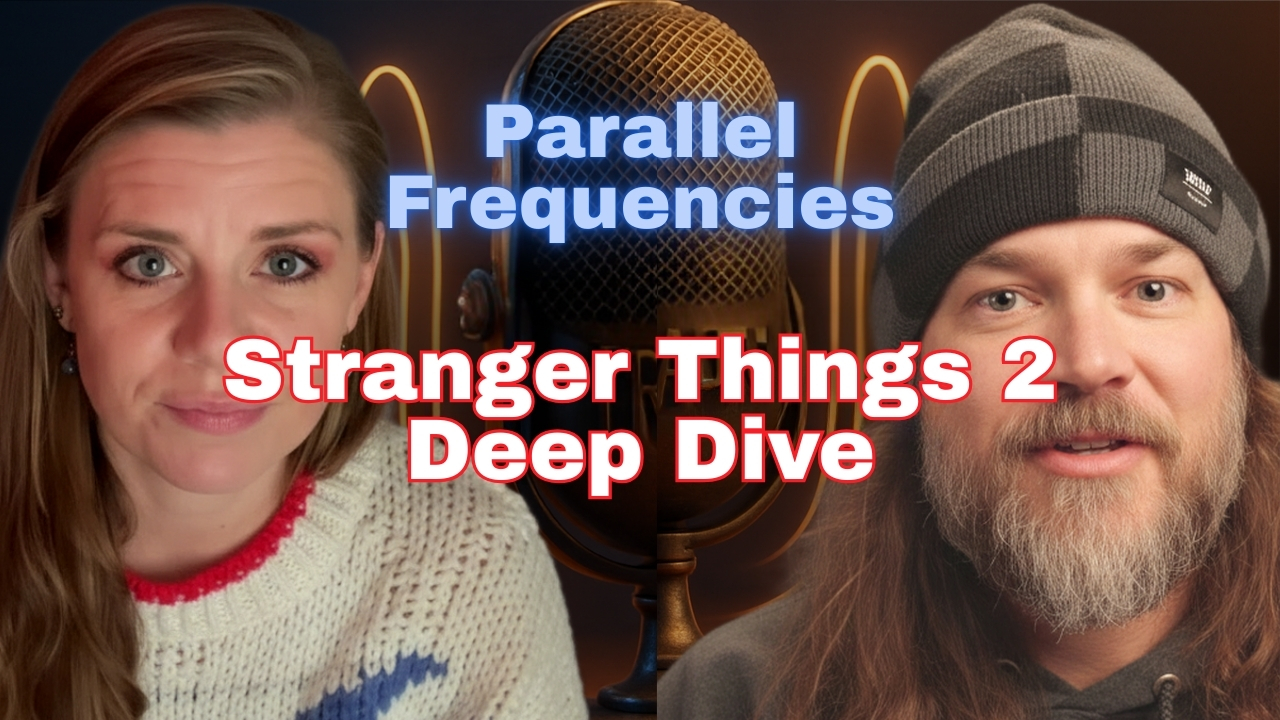
Stranger Things Season 2: Nostalgia, Character Arcs, and Cultural Phenomena
If you’ve ever found yourself glued to the screen when a new episode of Stranger Things drops, you’re not alone. This series has become more than just a show—it’s a cultural event. Season 2 didn’t just continue the story; it deepened the lore, expanded the cast, and gave us moments that still spark fan theories years later. But before diving into Hawkins and the Upside Down, let’s rewind to where this conversation began: the magic of old-school media and why nostalgia hits so hard.
The Golden Age of Radio and TV Nostalgia
The discussion kicks off with a nod to classic radio. Remember soundboards and tape splicing? Before digital editing, radio hosts literally cut and reassembled tape to create effects. That tactile process feels almost mythical now, but it shaped the way we experience entertainment. It’s why shows like Stranger Things resonate—they’re steeped in the aesthetics of a bygone era.
From there, the conversation drifts into TV nostalgia: TGIF Fridays, NBC’s “Must See TV,” and sitcom staples like Boy Meets World, Friends, Will & Grace, and Malcolm in the Middle. These weren’t just shows; they were weekly rituals. You didn’t binge—you waited. You scheduled your life around airtime. That anticipation created a communal experience that streaming can’t quite replicate.
And yes, TGIF gave us Topanga—an icon so beloved that Danielle Fishel’s appearance on Dancing with the Stars decades later still made headlines. Nostalgia isn’t just about memory; it’s about identity. These cultural touchstones remind us who we were and, in some ways, who we still are.
Stranger Things Season 2: A Deep Dive
Season 2 picks up a year after Will escapes the Upside Down. Hawkins isn’t safe—Will’s visions hint at something bigger: a looming shadow creature we come to know as the Mind Flayer. This season had the impossible task of following a phenomenon, and it delivered. It kept the momentum going without losing the heart that made Season 1 special.
New Faces, New Dynamics
The Duffer Brothers introduced characters who became instant fan favorites:
- Max (Sadie Sink): The skateboarding new girl navigating the tight-knit friend group.
- Billy (Dacre Montgomery): The volatile stepbrother whose bad-boy energy made Steve look downright wholesome.
- Bob Newby (Sean Astin): Joyce’s sweet, slightly awkward boyfriend who stole hearts—and broke them.
- Dr. Owens (Paul Reiser): A morally gray figure whose motives kept us guessing.
These additions weren’t just filler; they reshaped the emotional landscape of the show.
Fan Theories and Narrative Ambiguity
One of the most fascinating aspects of Stranger Things is its openness to interpretation. The creators have admitted that not everything was planned from the start. Vecna, for instance, wasn’t part of the original blueprint. That ambiguity fuels fan theories:
- Is Vecna under the Mind Flayer’s control—or vice versa?
- Did Eleven create the Upside Down when she banished Henry?
- Were the Demogorgon and other creatures always there, or did her actions birth them?
These questions keep the fandom alive between seasons. They also highlight a truth about serialized storytelling: sometimes the best twists come from leaving doors open.
Character Arcs That Hook Us
Steve Harrington: From Jock to Hero
Steve’s evolution is one of the most satisfying arcs in modern TV. In Season 1, he’s the stereotypical high school alpha—entitled, shallow, and self-absorbed. By Season 2, he’s babysitting the kids, wielding a nail-studded bat, and dropping lines about wanting six kids and family vacations. Joe Keery’s performance turns Steve into the guy everyone wants to be—or be with.
Billy: The Villain We Pity
Billy enters as pure chaos: aggressive, manipulative, and cruel. But then comes the scene with his father—a gut-punch that reframes everything. Dacre Montgomery reportedly told the Duffers, “Nobody’s just bad.” That philosophy shines through. Billy’s abuse explains his need for control, even if it manifests in toxic ways. By the time he sacrifices himself in Season 3, we’re mourning a character we once despised.
Eleven: Isolation and Independence
Season 2 lets Eleven explore emotions beyond survival. Her isolation in Hopper’s cabin, her longing for normalcy, and her jealousy when she sees Mike with Max—all painfully relatable. Millie Bobby Brown nails the complexity of a preteen girl grappling with identity, belonging, and power. Her arc isn’t just about telekinesis; it’s about growing up.
Cultural Impact and Easter Eggs
The 80s nostalgia isn’t window dressing—it’s a character in itself. Season 2 doubles down on:
- Ghostbusters costumes: A Halloween episode that feels ripped from childhood memories.
- Goonies nods: Sean Astin’s casting is meta-genius, and subtle wardrobe Easter eggs (like Eleven’s sweatsuit mirroring Josh Brolin’s in The Goonies) reward eagle-eyed fans.
- Synthwave soundtrack: Before Kate Bush dominated Season 4, these retro beats set the tone.
And then there are the memes: #JusticeForBarb evolves into #JusticeForBob. Eggo waffles remain iconic. The show doesn’t just reference culture—it creates it.
Themes Beneath the Surface
Beyond monsters and mysteries, Season 2 explores universal themes:
- Belonging: Max’s struggle to break into a friend group mirrors real-life adolescent dynamics.
- Trust and Suspicion: Bob’s earnestness feels almost threatening at first—a reflection of how women often navigate relationships with caution.
- Curses and Folklore: The dying crops evoke ancient beliefs about land blight and supernatural retribution. Courtney’s insight connects Hawkins’ decay to folklore about fey folk and witchcraft—a brilliant layer of meaning.
Final Thoughts: Why We Keep Coming Back
Season 2 proves that Stranger Things isn’t just riding nostalgia—it’s reinventing it. It gives us characters who grow, mysteries that deepen, and cultural callbacks that feel earned. It reminds us of a time when entertainment was communal, yet it thrives in an era of binge-watching and fan theories.
So, what do you think?
- Did Eleven create the Upside Down?
- Was Bob too good to be true?
- Could Billy’s redemption have gone further?
Drop your theories in the comments. And if you’re as obsessed as we are, follow us on Parallel Frequencies Daily for more deep dives, Easter eggs, and behind-the-scenes insights.
Connect with Us
- Just Blane: @JustBlanesWorld
- Courtney Pearl: Practically Magic (with a CK)
- YouTube: Parallel Frequencies Daily
Because in Hawkins—and in fandom—nothing is ever as simple as it seems.
Best Men’s Mental Health Podcasts | Trailer Park Thursday