Stranger Things Season 2: Bigger Monsters, Deeper Bonds
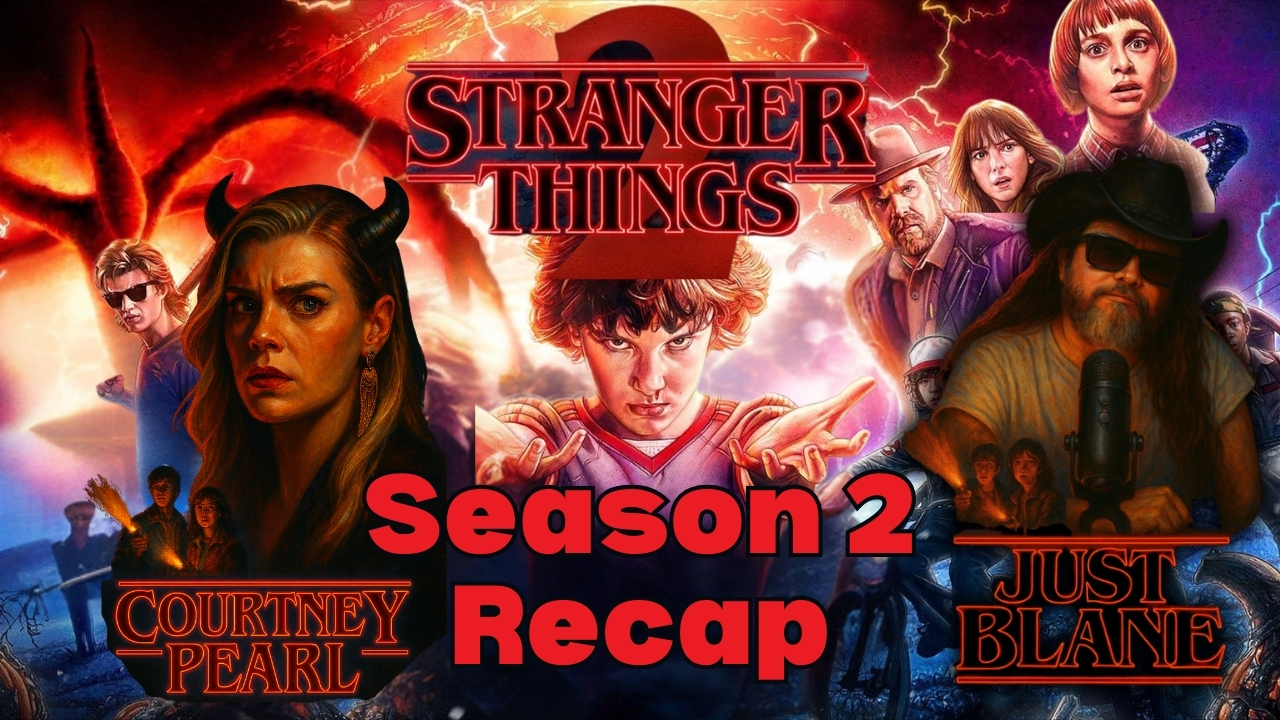
Stranger Things Season 2: Bigger Monsters, Deeper Bonds
When Stranger Things returned for its second season, fans wondered: could the Duffer Brothers top the magic of Season 1? The answer was a resounding yes. Season 2 didn’t just expand the story—it deepened the emotional core, introduced unforgettable characters, and gave us one of the most haunting villains in TV history: the Mind Flayer.
The Setup: Hawkins, 1984
It’s been nearly a year since Will Byers escaped the Upside Down, but Hawkins is far from safe. Will experiences terrifying visions of a shadowy creature looming over the town. Joyce is trying to give her son a normal life, Hopper is hiding Eleven in a cabin, and the kids are adjusting to adolescence—complete with new friendships and heartbreaks.
Meanwhile, Hawkins Lab is still operating in the shadows, and something sinister is brewing beneath the pumpkin patches.
Episode Highlights
- MADMAX – We meet Max Mayfield, the skateboarding gamer who shakes up the party dynamic. Her stepbrother Billy brings a dose of 80s bad-boy menace.
- Trick or Treat, Freak – The gang suits up as Ghostbusters for Halloween, reminding us why this show nails nostalgia.
- The Pollywog – Dustin adopts Dart, a creature that’s cute… until it isn’t.
- The Lost Sister – Eleven embarks on a journey of self-discovery, meeting Kali and exploring her powers.
- The Mind Flayer – Hawkins Lab falls under siege, and Bob Newby becomes an unlikely hero.
- The Gate – Eleven closes the gate in an epic showdown, but the Mind Flayer isn’t gone—it’s waiting.
Why It Works: Leveling Up the Stakes
Season 2 feels like the Empire Strikes Back of Stranger Things—darker, more complex, and emotionally charged. The Mind Flayer isn’t just a monster; it’s a metaphor for control and fear, creeping into Will’s mind and turning him into a pawn.
The season also explores trauma and recovery. Will’s possession mirrors real struggles with PTSD, while Eleven’s search for identity resonates with anyone who’s ever felt like an outsider.
Dungeons & Dragons: The Language of Fear
Once again, D&D serves as the narrative backbone. The kids name the new threat after a creature from their campaign—the Mind Flayer—because that’s how they make sense of the chaos. It’s a brilliant metaphor: when life throws you monsters, you fight them with imagination and teamwork.
The party dynamic evolves too:
- Mike – Still the leader, but grappling with feelings for Eleven.
- Lucas – The realist, now crushing on Max.
- Dustin – The wildcard, whose curiosity leads to Dart.
- Will – The haunted one, carrying the weight of the Upside Down.
- Eleven – The mage leveling up her powers.
It’s basically a campaign where the stakes keep rising—and the dice rolls matter more than ever.
Real-Life Parallels
Season 2 taps into universal fears: losing control, growing apart, and facing the unknown. The Upside Down isn’t just a dimension—it’s a metaphor for the darkness we all battle. The friendships remind us that even in the scariest campaigns, the party matters more than the quest.
The Legacy of Season 2
From the Snow Ball dance to the heartbreaking sacrifice of Bob, Season 2 gave us moments that linger long after the credits roll. It proved that Stranger Things isn’t just about monsters—it’s about love, loyalty, and leveling up against life’s biggest challenges.
Final Thought
Season 2 reminds us that growing up is the ultimate boss fight. And like any great D&D adventure, the only way to win is together.
Best Men’s Mental Health Podcasts | Trailer Park Thursday