Stranger Things Season 1: Why It Captivated the World
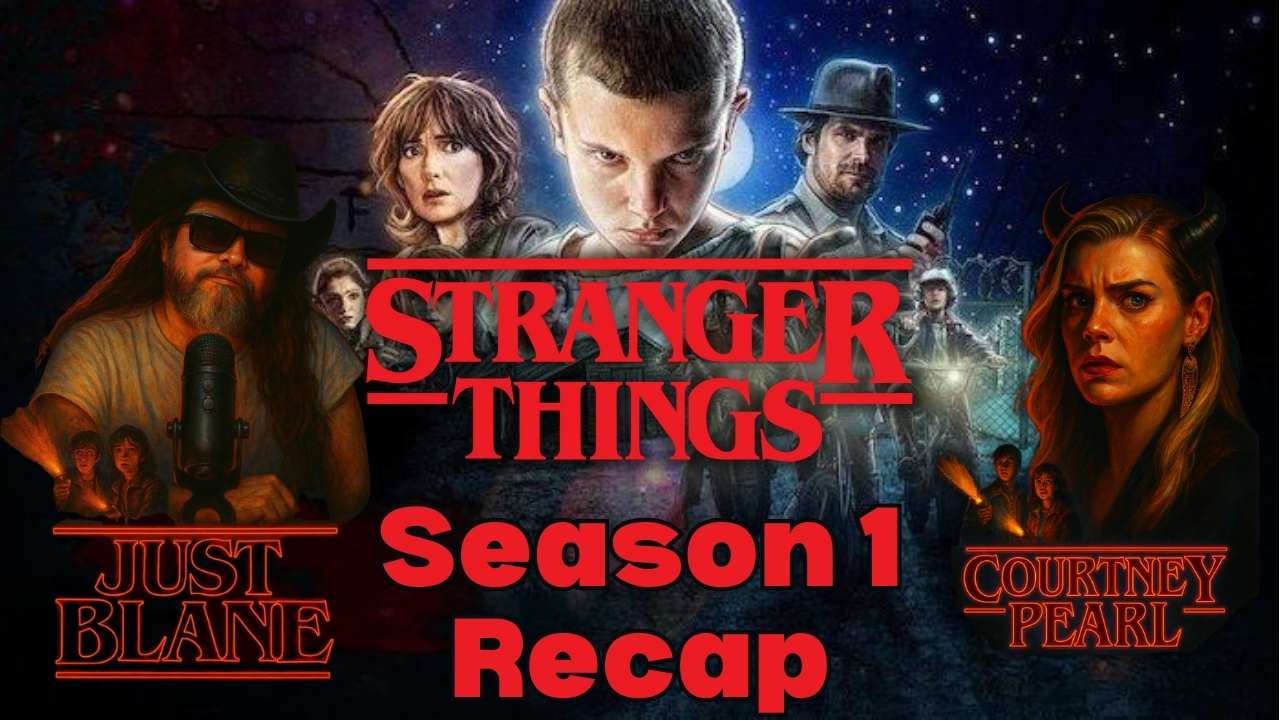
Stranger Things Season 1: Why It Captivated the World
When Stranger Things premiered in July 2016, it wasn’t just another Netflix original—it was a cultural reset. The Duffer Brothers delivered a story that felt both nostalgic and fresh, combining 1980s aesthetics, Stephen King-style horror, and Spielbergian heart. Season 1 is more than a supernatural mystery—it’s a coming-of-age tale wrapped in interdimensional terror. Here’s why it works so well.
The Setup: Hawkins, Indiana, 1983
The season begins with a bang—literally. Hawkins National Laboratory accidentally opens a rift to the Upside Down, an alternate dimension crawling with horrors. When 12-year-old Will Byers vanishes, his friends—Mike, Dustin, and Lucas—launch a search that leads them to Eleven, a mysterious girl with psychokinetic powers. Meanwhile, Joyce Byers (Winona Ryder) refuses to believe her son is dead, and Chief Hopper digs into a conspiracy that runs deeper than Hawkins’ pumpkin patches.
This premise sets the tone: ordinary kids vs. extraordinary evil, a theme that echoes classic 80s films like E.T., The Goonies, and Stand By Me.
Episode Highlights
- Chapter One: The Vanishing of Will Byers – Will disappears after a D&D session, and Eleven escapes the lab. The opening scene establishes the horror element with a Demogorgon attack.
- Chapter Three: Holly, Jolly – Joyce strings up Christmas lights to communicate with Will—a scene that became instantly iconic.
- Chapter Five: The Flea and the Acrobat – Mr. Clarke explains alternate dimensions using a tightrope analogy, giving the kids (and us) a scientific lens for the Upside Down.
- Chapter Eight: The Upside Down – Hopper and Joyce enter the shadow realm to rescue Will, while Eleven sacrifices herself to defeat the Demogorgon.
Each episode layers suspense with emotional beats, ensuring the horror never overshadows the heart.
Why It Works: Nostalgia Meets Innovation
Season 1 thrives on nostalgia, but it’s not just window dressing. The rotary phones, wood-paneled basements, and synth-heavy score create a world that feels lived-in. These details ground the supernatural in something familiar, making the terror more unsettling.
The show also taps into Cold War paranoia, reflecting real fears of government secrecy and unethical experiments. Hawkins Lab isn’t just a plot device—it’s a mirror of historical anxieties.
Dungeons & Dragons: The Narrative Blueprint
The kids’ D&D campaign isn’t a throwaway detail—it’s the framework for the entire season. They name the monster “Demogorgon,” and later, “The Vale of Shadows” becomes their term for the Upside Down. This isn’t just clever writing—it shows how imagination helps children process fear.
The party dynamic mirrors a real campaign:
- Mike – The leader
- Lucas – The strategist
- Dustin – The wildcard
- Will – The missing player
- Eleven – The OP character who changes the game
It’s a metaphor for life: we all face monsters, and we need our party to survive.
Real-Life Parallels
Beneath the Demogorgons and flickering lights, Season 1 is about growing up and facing the unknown. The Upside Down represents fear, trauma, and change—the things lurking beneath the surface of everyday life. Joyce’s desperation, Hopper’s grief, and the kids’ loyalty remind us that friendship and resilience are our best weapons against darkness.
The Legacy of Season 1
Stranger Things didn’t just tell a story—it created a cultural phenomenon. From Eggo waffles to alphabet walls, its imagery became iconic. More importantly, it proved that genre storytelling can be deeply emotional and universally relatable.
Season 1 is a masterclass in blending horror, sci-fi, and heart—a campaign worth revisiting again and again.
Final Thought
Like any great D&D adventure, Stranger Things Season 1 reminds us that even when the world turns upside down, we’re stronger together. And that’s a message that never goes out of style.
Best Men’s Mental Health Podcasts | Trailer Park Thursday