Rudolph Reimagined: A Christmas Classic Revisited
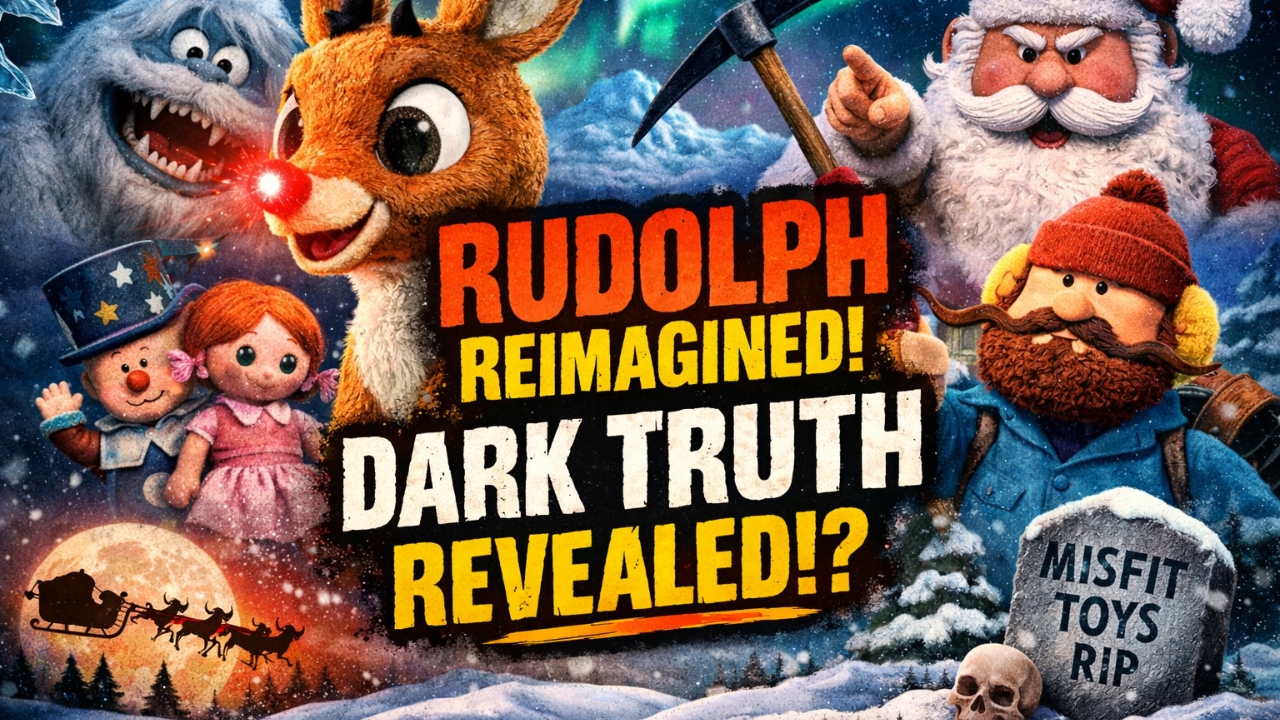
Rudolph Reimagined: A Christmas Classic Revisited
Parallel Frequencies with Just Blane and Coco
Watch full episode here: https://youtu.be/NVqSttMX5Yo
Introduction: Christmas Morning, Chaos Included
Christmas morning has a very specific energy. It’s half nostalgia, half exhaustion, and fully unhinged—and that’s exactly where this episode of Parallel Frequencies with Just Blane and Coco begins. Before the sun even comes up, Blane and Coco are awake, caffeinated by holiday excitement, surrounded by gifts, pop culture references, and the unmistakable vibe of two longtime collaborators who know exactly how to push each other’s buttons.
What starts as a playful Christmas gift exchange quickly transforms into something much bigger: a deep, hilarious, and surprisingly insightful exploration of one of the most enduring holiday traditions of all time—the 1964 Rankin/Bass stop-motion classic Rudolph the Red-Nosed Reindeer.
This episode is a perfect example of what makes Parallel Frequencies unique. It blends humor, nostalgia, cultural commentary, and emotional depth while never taking itself too seriously. Whether you’re here for Christmas vibes, pop culture deep dives, or Blane’s now-legendary rant, this conversation hits every frequency.
Setting the Tone: Gifts, Horror, and Holiday Nostalgia
Before the Rudolph discussion even begins, Blane and Coco ease listeners into the episode with pure holiday chaos. Christmas pajamas, horror-themed gifts, cult movie references, and the kind of casual intimacy that comes from years of podcasting together all set the stage.
Highlights from the opening moments include:
Horror-inspired Christmas gifts (including a horror-with-cats calendar)
Nostalgic movie callbacks (Christmas Vacation, The Witch, The Shining)
A very questionable Christmas gift decision involving a preserved bat
Reflections on how gift-giving evolves as adults—and sometimes goes terribly wrong
This opening matters because it establishes trust. Parallel Frequencies isn’t a polished, overproduced holiday special. It’s real, funny, messy, and deeply human—exactly like the holidays themselves.
Enter Rudolph: More Than a Kids’ Christmas Movie
At the heart of the episode is a deep dive into Rudolph the Red-Nosed Reindeer, a stop-motion film that has aired nearly every year since 1964. Most people know it as a cozy Christmas staple—but Blane and Coco invite listeners to look closer.
They explore questions many of us never thought to ask:
Why does Rudolph still resonate after decades?
What’s really going on with the Island of Misfit Toys?
Why do the characters feel emotionally complex, even unsettling, at times?
How did Rankin/Bass animation shape generations of holiday storytelling?
By revisiting the film as adults, they uncover layers of meaning that go far beyond simple children’s entertainment.
Misfit Toys and the Power of Belonging
One of the most emotionally resonant parts of the conversation centers on the Island of Misfit Toys. As kids, this segment can feel whimsical or strange. As adults, it hits differently.
Blane and Coco discuss how the misfits represent:
Outsiders who don’t “work” the way society expects
Hidden struggles that aren’t immediately visible
Feelings of rejection, isolation, and longing for acceptance
They even explore the long-debated mystery of the doll on the island—eventually revealing creator commentary that suggests the doll represents depression, something that can’t always be seen on the surface.
This reframing transforms the Island of Misfit Toys from a quirky subplot into one of the most emotionally honest elements of the entire story.
Rudolph, Bullying, and Being Different
Rudolph’s glowing red nose has always been the focal point of the story—but Parallel Frequencies digs into what that difference truly represents.
Coco reflects on how deeply personal Rudolph’s journey feels, especially for sensitive kids who grew up feeling “too much” or “not enough.” The pressure to hide who you are, to fit in, or to make yourself smaller for others is something many listeners recognize immediately.
Key themes explored include:
Parental pressure and conditional acceptance
The emotional impact of bullying (even when it’s subtle or normalized)
The moment when what makes you “different” becomes your strength
Rather than seeing Rudolph as promoting bullying, the episode reframes it as a story about how damaging that behavior can be—and how healing it is to finally be seen and valued.
Rankin/Bass Animation and Stop-Motion History
Beyond story and symbolism, the episode also dives into the technical and historical legacy of Rankin/Bass. Blane explains how budget limitations led to the distinctive “jerky” animation style that became iconic, and how the puppets were painstakingly created overseas.
Listeners learn about:
Why the animation looks the way it does
How stop-motion specials dominated holiday TV for decades
Why these visuals feel so deeply tied to childhood memories
There’s even discussion of lost and restored scenes, multiple versions of the film, and how different broadcasts over the years altered the story slightly—adding to the mythos surrounding Rudolph.
Yukon Cornelius, Santa, and Subversive Satire
Then comes the moment longtime listeners were waiting for.
Blane launches into a satirical, over-the-top rant reinterpreting Rudolph through a wildly unexpected lens—recasting the North Pole as a rigid system where conformity is rewarded and deviation is punished.
Without spoiling the fun, the rant touches on:
Labor, hierarchy, and obedience
Yukon Cornelius as an unlikely rebel figure
Santa as a surprisingly complex authority figure
It’s absurd, sharp, and undeniably funny—but it also highlights how cultural stories can be re-examined through new perspectives without losing their magic.
Why This Episode Works
What makes this Parallel Frequencies episode so compelling is balance. It manages to be:
Funny without being dismissive
Critical without being cynical
Nostalgic without being shallow
Blane and Coco never argue that Rudolph is flawed beyond redemption. Instead, they demonstrate how loving something deeply includes questioning it, laughing at it, and understanding why it mattered so much in the first place.
This approach resonates with listeners who love pop culture but also enjoy thinking critically about the stories that shaped them.
Tools for Creators (Affiliate Mentions)
If you’re a podcaster or content creator inspired by conversations like this, the team behind Parallel Frequencies recommends tools they genuinely use:
Riverside for high-quality remote podcast recording
👉 https://riverside.sjv.io/7aAMayOpus Pro for turning long-form podcast episodes into viral clips
👉 https://www.opus.pro/pricing?via=5b5b73Podpage for building clean, professional podcast websites
👉 https://www.podpage.com/account/signup/?via=just
Subscribe & Stay Connected
To keep up with Parallel Frequencies with Just Blane and Coco and the wider Ride the Wave Media universe, subscribe and follow:
And for more podcasts, media production, and creative projects, visit:
👉 https://www.ridethewave.media
Conclusion: Two Things Can Be True
This episode of Parallel Frequencies proves something important: two things can be true at the same time. Rudolph the Red-Nosed Reindeer can be a cozy, beloved Christmas classic—and also a story worth examining through adult eyes.
By blending humor, heart, and honest reflection, Just Blane and Coco remind listeners why these stories stay with us long after childhood. Not because they’re perfect—but because they speak to something deeply human: the desire to belong, to be accepted, and to finally let your light shine.
And honestly? That’s a message worth revisiting every Christmas. 🎄
Best Men’s Mental Health Podcasts | Trailer Park Thursday