Our Best TV Shows of 2025
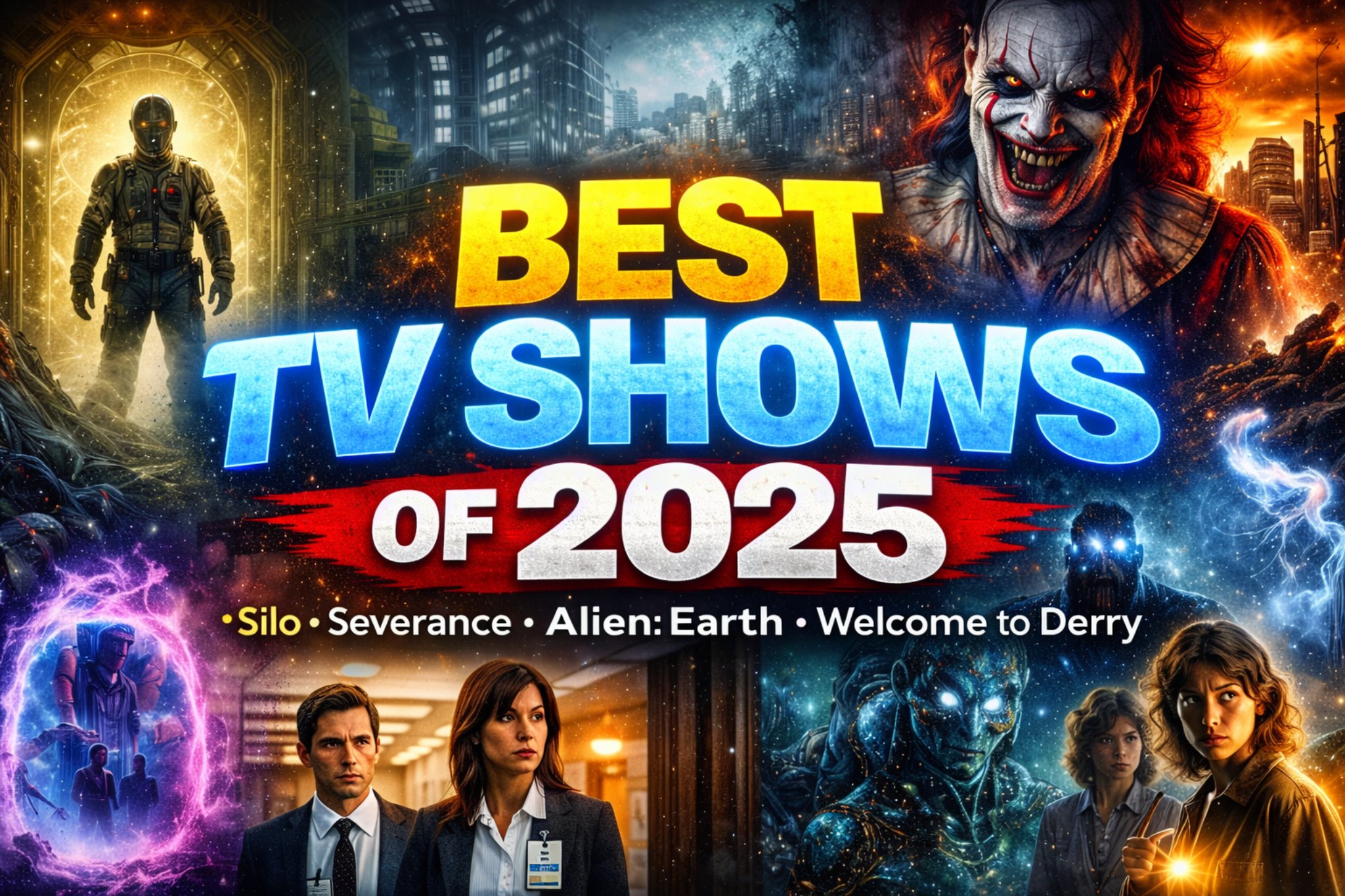
Our Best TV Shows of 2025!
How Pop Culture Debates Reveal Deeper Truths About TV, Systems, and Control
Introduction
Every year, like clockwork, the same debate resurfaces: Is Die Hard a Christmas movie? On the surface, it feels trivial. A seasonal argument fueled by nostalgia, tradition, and hot takes in comment sections everywhere. But in the latest episode of Parallel Frequencies with Just Blane and Coco, that familiar holiday debate becomes a doorway into something far bigger.
What begins as playful banter about Christmas movies slowly unfolds into a thoughtful exploration of storytelling, belief systems, cultural conditioning, and why modern television has shifted from escapism into revelation. From holiday traditions to post-apocalyptic silos, corporate dystopias, horror franchises, and prestige TV, this episode examines how the stories we consume mirror the systems we live inside.
This blog post expands on those ideas, pulling threads from the conversation to explore why pop culture debates matter more than we think, how television has evolved, and why so many of today’s most powerful shows feel uncomfortably familiar.
The Christmas Movie Debate: Why It Never Ends
At first glance, arguing whether Die Hard or It’s a Wonderful Life qualifies as a Christmas movie seems harmless. But the intensity of these debates reveals something deeper.
The question isn’t really about snow, Santa, or holiday soundtracks. It’s about ritual and repetition.
A movie becomes a Christmas movie not because of its plot, but because we return to it every year. Traditions aren’t dictated by rules. They’re shaped by memory. When viewers insist Die Hard is a Christmas movie, they’re defending personal meaning, not cinematic definitions.
The episode highlights a crucial idea:
If a story works without Christmas, is it still a Christmas movie?
If Christmas is only the setting, does that diminish its status?
Or does repetition itself create meaning?
The conclusion? Everyone is right. And that realization sets the tone for the rest of the conversation.
From Holiday Arguments to Cultural Reflection
What makes Parallel Frequencies different from a typical pop culture podcast is how quickly the conversation zooms out.
After the holiday debate, Blane and Coco shift into something far more revealing: the realization that television today isn’t just entertainment. It’s commentary. It’s confession. And sometimes, it’s warning.
Modern audiences aren’t just binge-watching shows to escape reality. They’re watching to understand it.
The Rise of Television as a Mirror, Not a Distraction
Many of the shows discussed in the episode share a striking pattern. They aren’t centered on monsters, villains, or heroes in the traditional sense. Instead, they focus on systems.
Consider the recurring themes:
Controlled environments
Restricted knowledge
Authority figures enforcing “safety”
Curiosity treated as danger
Comfort used as compliance
These aren’t just plot devices. They’re reflections of modern life.
Common Settings, Different Genres, Same Message
Across sci-fi, horror, and drama, the environments are eerily similar:
Underground silos
Isolated towns
Corporate offices
Spaceships
Bureaucratic empires
Different genres, same architecture of control.
The message is subtle but consistent:
When a system tells you curiosity is dangerous, it isn’t protecting you. It’s managing you.
Why Shows Like Silo and Severance Hit So Hard
Two standout examples from the conversation illustrate this shift perfectly.
Silo: Safety Through Fear
In Silo, humanity survives underground, convinced the outside world is toxic. The rules are absolute. Questioning them is punishable. The system doesn’t rely on violence to maintain order. It relies on belief.
Fear does the work.
The brilliance of the show lies in how relatable it feels. Viewers recognize the logic immediately:
“This is for your own good.”
“You don’t need to know why.”
“Trust the system.”
It’s a slow burn, but one that lingers because it mirrors real-world power structures.
Severance: Corporate Control as Horror
Severance pushes this idea even further. It transforms workplace culture into psychological horror.
The separation between work life and personal life sounds like balance, but it becomes something far darker. Employees don’t just clock out. They cease to exist.
The show exposes a terrifying question:
What happens when productivity becomes more valuable than personhood?
The answer isn’t subtle. And that discomfort is the point.
Horror Isn’t About Monsters Anymore
One of the most compelling insights from the episode is how modern horror has evolved.
The scariest stories today aren’t about creatures lurking in the dark. They’re about institutions making quiet decisions.
Whether it’s corporate boardrooms, government agencies, or unseen authorities, the real terror comes from realizing:
Your life is a line item
Your safety is conditional
Your value is negotiable
Even franchises built on iconic monsters have shifted focus. The creature is rarely the true villain. The system that deploys it is.
Why We’re Drawn to These Stories Now
This shift in storytelling isn’t accidental.
We’re living in a time where:
Trust in institutions is eroding
Information feels curated, not transparent
Comfort often comes with invisible costs
People sense something is off, even if they can’t name it
Television becomes a way to process those feelings safely.
Instead of asking “what if,” modern shows ask:
How did we get here?
Who benefits from this system?
What happens if someone refuses to comply?
These aren’t fictional questions. They’re cultural ones.
Nostalgia, Ritual, and Why We Rewatch
Even as television grows more complex, nostalgia still plays a powerful role. That’s why debates about holiday movies matter.
Rewatching familiar stories gives us a sense of control. We know the ending. We know the rhythm. In a world that feels unstable, repetition becomes grounding.
Whether it’s watching the same Christmas movie every year or revisiting favorite shows, ritual creates emotional safety.
But Parallel Frequencies invites listeners to ask a deeper question:
Are we revisiting these stories for comfort, or for clarity?
The Value of Talking About Media This Way
Pop culture conversations often get dismissed as shallow. This episode proves the opposite.
Stories shape perception. Media reflects values. And discussing it critically helps listeners:
Recognize patterns
Question narratives
Understand why certain stories resonate
See how entertainment intersects with real life
That’s the frequency this podcast operates on.
Tools for Creators and Podcasters
If conversations like this inspire you to create your own content, the team behind Parallel Frequencies also recommends tools that support high-quality production and growth:
Riverside for professional podcast recording
https://riverside.sjv.io/7aAMayOpus Pro for turning long episodes into viral clips
https://www.opus.pro/pricing?via=5b5b73Podpage for building clean, powerful podcast websites
https://www.podpage.com/account/signup/?via=just
Subscribe, Follow, and Ride the Frequency
If you enjoy thoughtful pop culture breakdowns, cultural commentary, and conversations that go deeper than surface-level takes, make sure to subscribe:
And explore more shows, creators, and resources at:
👉 https://www.ridethewave.media
Conclusion: Stories Tell Us Who We Are
The biggest takeaway from this episode of Parallel Frequencies isn’t whether Die Hard qualifies as a Christmas movie.
It’s the realization that stories, whether festive or frightening, reveal what we believe, what we fear, and what we’re willing to accept.
Television is no longer just a distraction. It’s a signal.
And when you tune into the right frequency, you start to hear what it’s been telling us all along.
Stay curious. Question systems. And keep listening.
Best Men’s Mental Health Podcasts | Trailer Park Thursday