
A Life Less Ordinary: A 90s Rom-Com About Fate, Chaos, and Becoming Who You Are
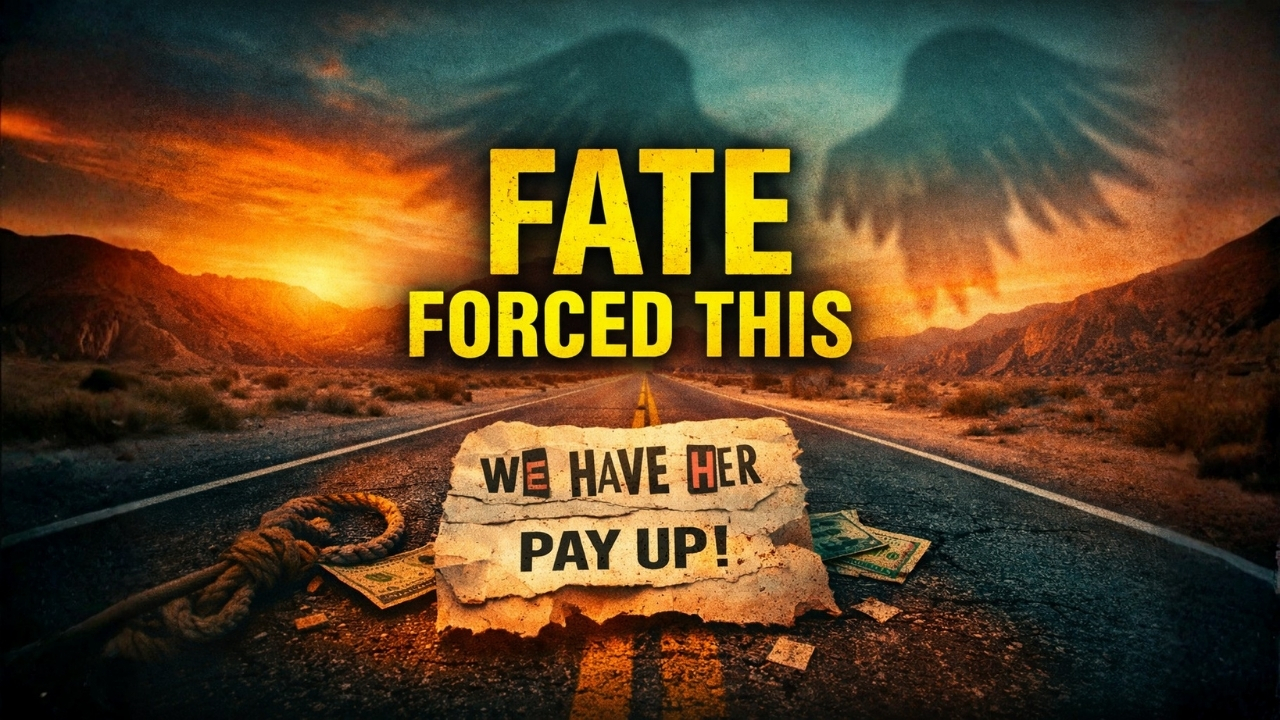
A Life Less Ordinary: A 90s Rom-Com About Fate, Chaos, and Becoming Who You Are
In 1997, director Danny Boyle released A Life Less Ordinary, a romantic comedy that felt like a fever dream. Starring Ewan McGregor and Cameron Diaz, the film mixed kidnapping, angels with performance reviews, and existential frustration into something that defied genre.
On the surface, it is chaotic. Beneath it, it is deeply philosophical.
On this episode of Parallel Frequencies, Just Blane and Coco revisit the film not as nostalgia, but as a case study in disruption, destiny, and the courage to choose a bigger life.
The Premise That Shouldn’t Work (But Does)
Robert (Ewan McGregor) is fired, dumped, evicted, and humiliated in a single spiral of collapse. In desperation, he kidnaps his former boss’s daughter Celine (Cameron Diaz).
Meanwhile, two angels are sent to Earth to manufacture one more successful love story or lose their wings.
Absurd? Completely.
But underneath the chaos lies something honest:
What happens when your identity collapses?
What happens when comfort is stripped away?
Who are you when ego no longer works?
The Angels as Metaphor
Holly Hunter and Delroy Lindo play celestial operatives tasked with engineering love.
But whether you believe in angels or not, the metaphor is universal.
The angels represent:
Internal intuition
Life nudging you forward
Disruption as growth
Collapse before expansion
In real life, these “angel moments” look like:
Losing a job
Ending a relationship
Hitting emotional rock bottom
The movie exaggerates the disruption. Life does not.
Robert & Celine: Love Without the Gloss
This is not a glossy rom-com.
Robert is insecure and reactive.
Celine is entitled and emotionally armored.
They fight. They misunderstand. They project.
And yet they choose vulnerability.
That is the core thesis of A Life Less Ordinary:
Extraordinary is not handed to you.
It is chosen when ego would be easier.
Why This Movie Feels More Relevant Today
We live in a culture of optimization and safety.
Career stability
Personal branding
Image control
Emotional suppression
But the film argues something radical:
Comfort writes your story if you let it.
And most people are playing it safe more than they realize.
The Utah Backdrop
Filmed in Salt Lake City, Layton, and Moab, the Utah landscape mirrors the internal themes of the story.
Wide open desert.
Isolation.
Emotional exposure.
The physical vastness parallels the internal awakening of the characters.
The 90s Soundtrack & Emotional Memory
The film’s soundtrack captures a specific era of vulnerability and rebellion. Nostalgia plays a psychological role here. Revisiting the film taps into memory, identity, and who we were when we first saw it.
Nostalgia is not regression.
It is reflection.
What This Means for Creators
For podcasters, filmmakers, and entrepreneurs, this movie hits especially hard.
Because creative life often looks like Robert’s first act:
Rejection
Financial instability
Identity crisis
And yet, growth requires stepping beyond safety.
If you’re building your show, tools like:
Riverside for recording: https://riverside.sjv.io/7aAMay
Opus Pro for repurposing: https://www.opus.pro/pricing?via=5b5b73
Podpage for your site: https://www.podpage.com/account/signup/?via=just
Help reduce friction so you can focus on the bigger leap.
But no tool replaces the decision to choose a life less ordinary.
Final Reflection
The movie ends with divine intervention, but real life does not.
There is no angel quota system tracking your bravery.
There is only the quiet question:
What would your life look like if you stopped waiting for permission?
That is the real parallel frequency.
Subscribe for more deep dives and cultural decoding at:
https://www.ridethewave.media
Best Men’s Mental Health Podcasts | Trailer Park Thursday